Training professionals in emergency medicine, tactical response, and nursing requires realistic simulations of injuries. One of the most challenging scenarios is dealing with glass injuries, where lacerations can be deep, irregular, and potentially infected. Glass Injury Moulage Wound models allow instructors and trainees to practice assessment, cleaning, dressing, and emergency management in a safe, controlled environment.
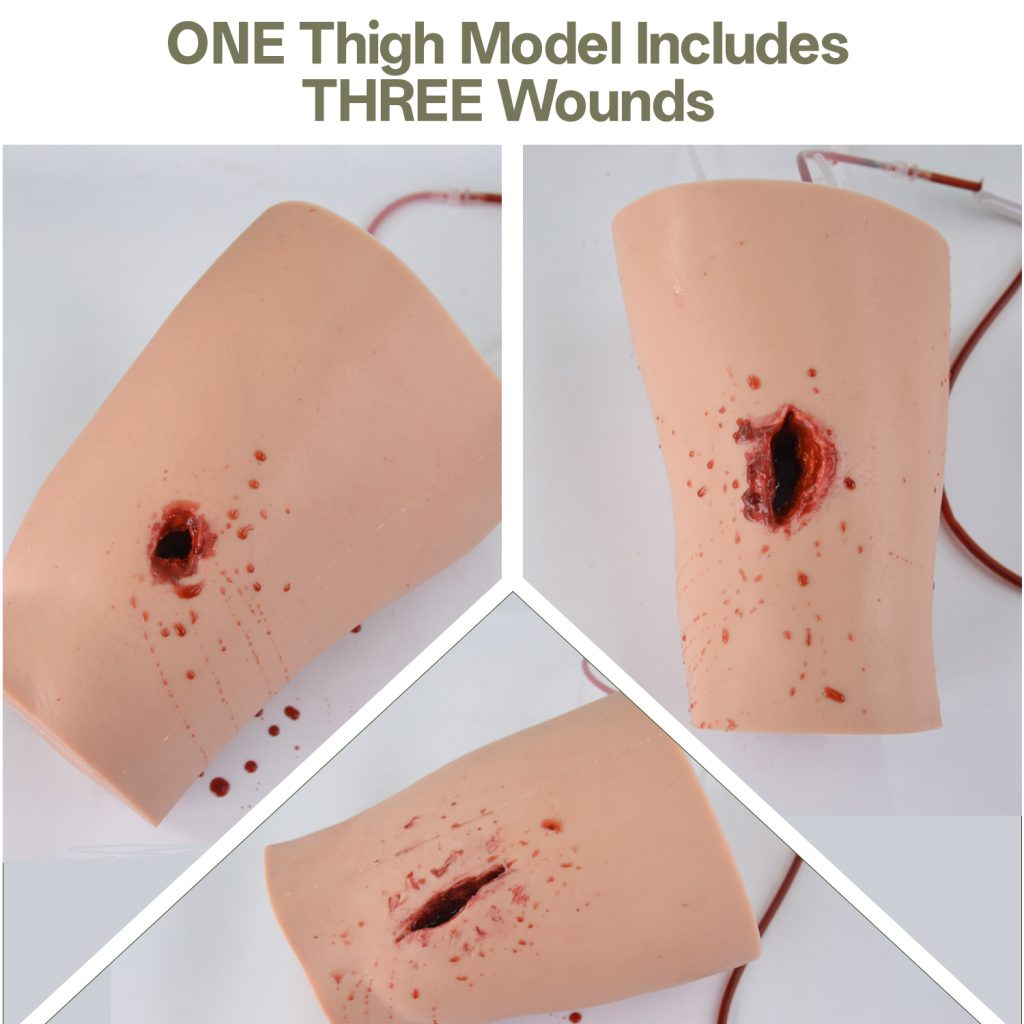
In this article, we explore the 6 best glass injury moulage wound models available in 2025. We also introduce Medtacedu, a leading provider of high-quality silicone and plastic models for tactical, medical, and science training.
Table of Contents
- What Is a Glass Injury Moulage Wound?
- Why Glass Injury Moulage Wounds Are Important
- 6 Best Glass Injury Moulage Wound Models
- How to Choose a Quality Glass Injury Moulage Wound
- About Medtacedu
- Summary Table of Models
- Frequently Asked Questions
- References
What Is a Glass Injury Moulage Wound?
A glass injury moulage wound is a lifelike simulation of a laceration caused by broken glass. Typically made from high-quality silicone or plastic, these models mimic the depth, irregular edges, and bleeding patterns of real-life glass cuts. They are essential tools for medical and tactical training because they allow safe hands-on practice without risk of infection or harm.
Key Features
- Realistic depth and shape of cuts
- Simulated bleeding effects or blood reservoirs
- Flexible silicone for repeated training
- Customizable wound size and location
- Safe to practice suturing, dressing, and emergency care
Why Glass Injury Moulage Wounds Are Important
Glass-related injuries are common in daily life and high-risk professions, from emergency responders to industrial workers. Training with glass injury moulage wound models helps develop critical skills:
Benefits
- Enhances decision-making in real emergencies
- Improves dexterity in wound dressing and suturing
- Reduces hesitation and anxiety in high-stress scenarios
- Allows repeated practice without patient risk
- Facilitates realistic tactical and medical simulations
6 Best Glass Injury Moulage Wound Models
Here are the top-rated glass injury moulage wound models for 2025 based on realism, durability, and educational effectiveness.
1. 2 IN 1 Multitask Wound Packing Training Kit
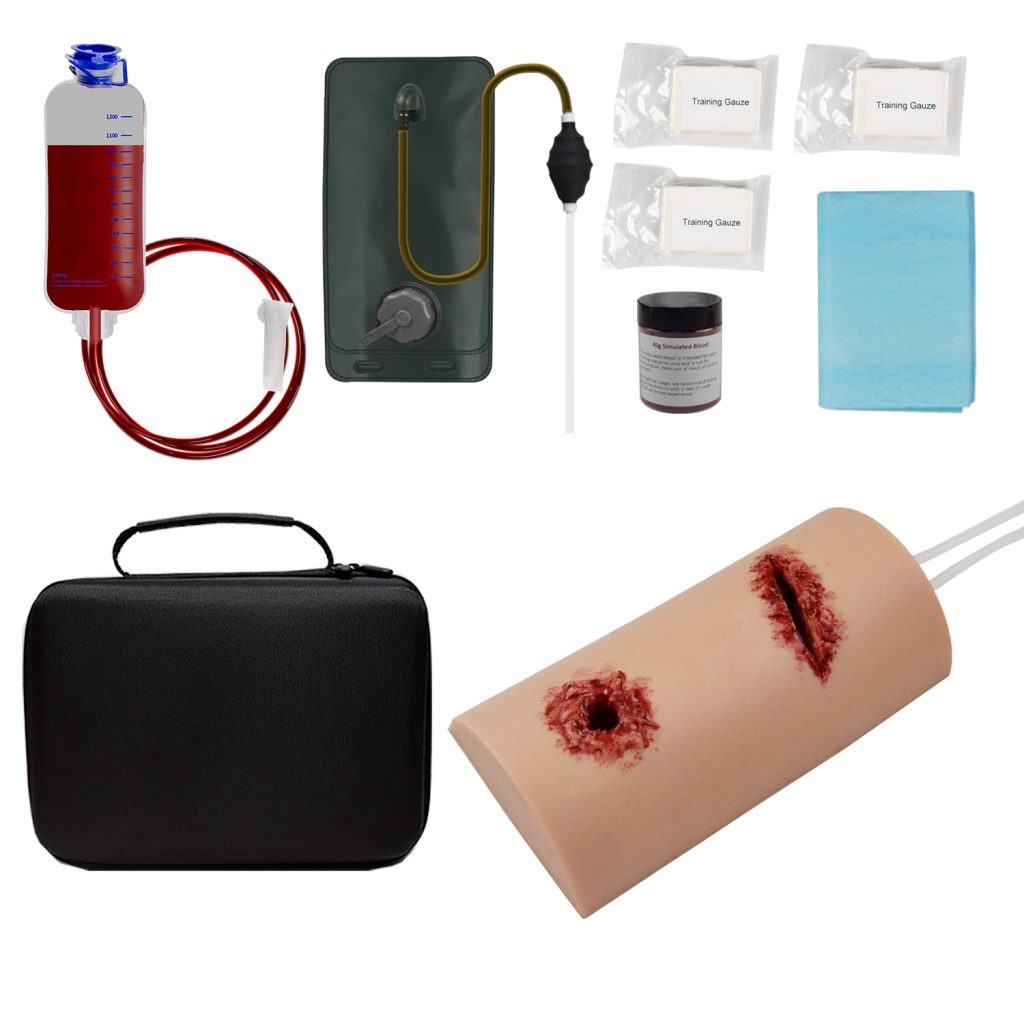
This kit is designed for tactical, nursing, and EMS training. It features deep lacerations that simulate glass shards and bleeding, allowing trainees to practice packing, cleaning, and dressing wounds. The silicone material is reusable and lifelike.
2. Chest Seal Model / Chest Wound Model
Although primarily for chest injuries, this model includes open lacerations mimicking glass puncture and torn skin. Trainees learn proper dressing techniques and emergency care for thoracic injuries combined with glass lacerations.
3. Tactical Training Laceration Module
Designed for first responders, this model focuses on multiple glass-related lacerations with varying depths. Trainees can simulate bleeding control, apply dressings, and practice triage skills.
4. Silicone Glass Laceration Arm Model
An arm module featuring realistic glass injury moulage wounds with embedded “glass” pieces to mimic cutting hazards. Ideal for suturing practice and emergency bandaging.
5. Full-Limb Trauma Simulation Kit
This comprehensive kit includes hand, arm, and leg modules with glass laceration wounds, abrasions, and contusions. Perfect for medical schools and tactical teams requiring full-body training scenarios.
6. Injection + Wound Combo Training Model
This hybrid model allows students to practice both injections and glass wound management. The realistic silicone skin provides resistance for injection training while also featuring a glass-laceration simulation.
How to Choose a Quality Glass Injury Moulage Wound
1. Material Quality
Choose silicone or soft plastic that mimics skin elasticity and allows repeated practice. Cheap rubber or foam may tear or provide unrealistic feedback.
2. Realism
The best models simulate actual glass injuries, including irregular edges, depth variation, and potential bleeding. This ensures trainees experience realistic scenarios.
3. Reusability
Look for models that allow multiple training sessions without significant wear. Silicone is ideal because it can be cleaned and reused.
4. Training Flexibility
Models with modular designs allow instructors to simulate different scenarios—arm, leg, torso wounds, and combination injuries.
5. Safety
Ensure that the “glass” components are simulated with non-sharp materials to prevent injuries during practice.
About Medtacedu
Medtacedu specializes in high-quality silicone and plastic models for tactical training, medical education, and science instruction. They provide a wide range of innovative models from standardized to fully customizable solutions.
Medtacedu Product Applications
- Tactical Training: Wound dressing models, trauma manikins, tactical and emergency kits
- Medical Demonstration & Training: Disease models, medical device display tools
- Science Education: Veterinary models and science education tools
- Injection Models: ID/SC/IM/IV and facial injection models for nursing and aesthetic training
Why Choose Medtacedu?
- Extensive product range for resellers and institutions
- Over 16 years of production experience
- Specialized in medical models for more than 6 years
- Complex, high-precision projects delivered worldwide
- Ability to bring both fully developed designs and conceptual ideas to life
Summary Table: Top 6 Glass Injury Moulage Wound Models
| Model | Features | Training Application | Manufacturer |
|---|---|---|---|
| 2 IN 1 Multitask Wound Packing Kit | Deep lacerations, bleeding simulation | Tactical, EMS, nursing | Medtacedu |
| Chest Seal / Chest Wound Model | Open lacerations, thoracic injury simulation | EMS, emergency care | Medtacedu |
| Tactical Training Laceration Module | Multiple glass lacerations, variable depth | First responders, triage training | Medtacedu |
| Silicone Glass Laceration Arm Model | Embedded “glass” simulation, suturing practice | Medical students, EMTs | Medtacedu |
| Full-Limb Trauma Simulation Kit | Arm, hand, leg modules, contusions | Medical schools, tactical teams | Medtacedu |
| Injection + Wound Combo Model | Injection + glass laceration simulation | Nursing, aesthetic medicine | Medtacedu |
Frequently Asked Questions
1. What is a glass injury moulage wound?
A realistic training simulation of lacerations caused by broken glass, made from silicone or plastic.
2. Are these models reusable?
Yes, high-quality silicone models can be used repeatedly for multiple training sessions.
3. Can trainees practice suturing on these wounds?
Yes, many models are designed for suturing, bandaging, and emergency dressing.
4. Are the “glass” components safe?
Yes, they are made from soft, non-sharp materials to prevent injury during training.
5. Who uses these models?
EMTs, nurses, medical students, tactical responders, and educators in medical and science training.