Understanding how to make a fat replica is increasingly valuable in education, healthcare, fitness coaching, and wellness awareness. A fat replica is a physical model designed to represent the size, weight, texture, and volume of real human body fat. These replicas help people visually and physically understand what body fat actually looks and feels like, something charts and numbers alone cannot clearly communicate.
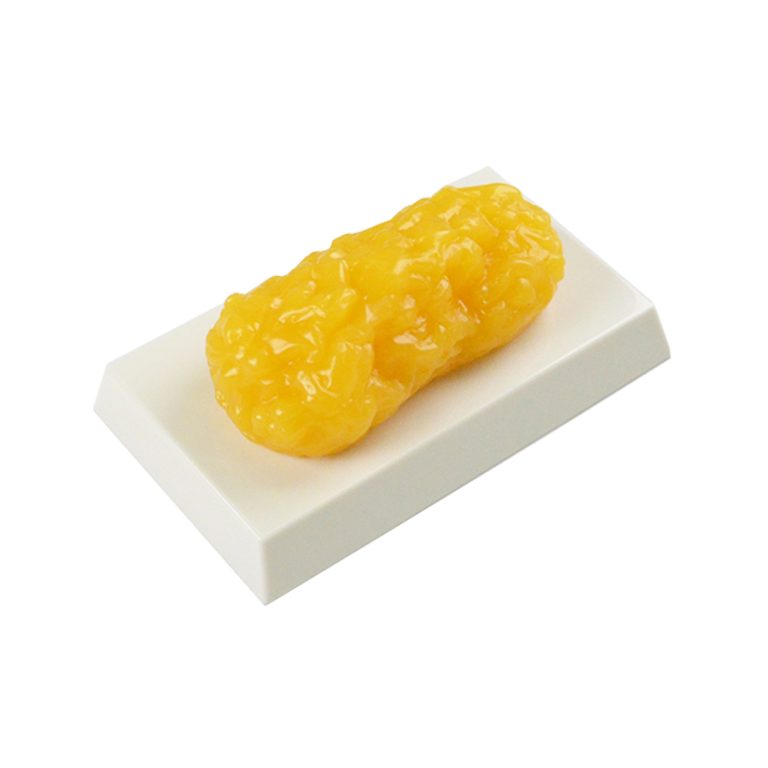
Table of Contents
- What Is a Fat Replica
- Why Fat Replicas Are Used
- Understanding the Science of Body Fat
- Materials Needed to Make a Fat Replica
- Step by Step Guide: How to Make a Fat Replica
- Safety and Hygiene Considerations
- Using Fat Replicas for Education and Motivation
- Medtacedu 1LB Fat Replica Model with Base
- DIY vs Professional Fat Replica Models
- Summary Table
- Frequently Asked Questions
- References
What Is a Fat Replica
A fat replica is a physical representation of adipose tissue found in the human body. When learning how to make a fat replica, it is important to understand that the goal is not medical simulation for surgery, but rather education, visualization, and motivation.
Most fat replicas are designed to weigh exactly one pound, as this unit is easy for people to understand. One pound of fat takes up more space than most expect, making it a powerful visual tool.
Why Fat Replicas Are Used
Knowing how to make a fat replica helps explain why these models are so impactful. Fat replicas are commonly used in:
- Health education classrooms
- Fitness training and personal coaching
- Weight management programs
- Medical and nursing education
- Public health awareness campaigns
They provide a tangible way to connect abstract concepts like body composition, calorie balance, and fat loss goals to real-world understanding.
Understanding the Science of Body Fat
Before learning how to make a fat replica, it is essential to understand what body fat is. Adipose tissue stores energy, insulates the body, and protects organs. However, excess body fat increases the risk of cardiovascular disease, diabetes, joint issues, and other health conditions.
One pound of human body fat weighs approximately 454 grams and has a density that gives it a surprisingly large volume. This scientific reality is what fat replicas aim to demonstrate.
Materials Needed to Make a Fat Replica
There are several ways to approach how to make a fat replica, depending on the level of realism required.
Basic DIY Materials
- Soft silicone or gelatin substitute
- Non-toxic coloring agents
- Digital scale
- Plastic mold or flexible container
- Protective gloves
Advanced Materials
- Medical-grade silicone
- Soft polymer compounds
- Precision molds
- Protective base or stand
The choice of materials directly affects realism, durability, and tactile experience.
Step by Step Guide: How to Make a Fat Replica
Step 1: Determine the Target Weight
The most common fat replica weighs one pound. Use a digital scale to ensure accuracy. Precision is critical when learning how to make a fat replica that truly represents human body fat.
Step 2: Prepare the Material
Mix your chosen material according to instructions. The texture should be soft, pliable, and slightly elastic. This step is key to achieving a realistic feel.
Step 3: Add Color
Human fat typically appears pale yellow. Add small amounts of non-toxic pigment until the color resembles real adipose tissue.
Step 4: Shape the Replica
Pour or press the material into a mold. Avoid sharp edges and aim for an irregular, organic shape. This improves realism.
Step 5: Weigh and Adjust
After shaping, weigh the replica. Trim or add material until the weight matches the target exactly.
Step 6: Cure and Finish
Allow the material to cure fully. Once set, remove from the mold and inspect for consistency.
Safety and Hygiene Considerations
When learning how to make a fat replica, safety should never be overlooked. Always use non-toxic materials, especially if the replica will be handled frequently. Clean the surface regularly and store it in a dry, cool environment.
Using Fat Replicas for Education and Motivation
Fat replicas provide both visual and tactile learning. Students can see the actual volume of one pound of fat, while fitness clients gain a stronger emotional connection to their goals.
Many trainers report that fat replicas significantly improve motivation by making progress measurable and tangible.
Medtacedu 1LB Fat Replica Model with Base
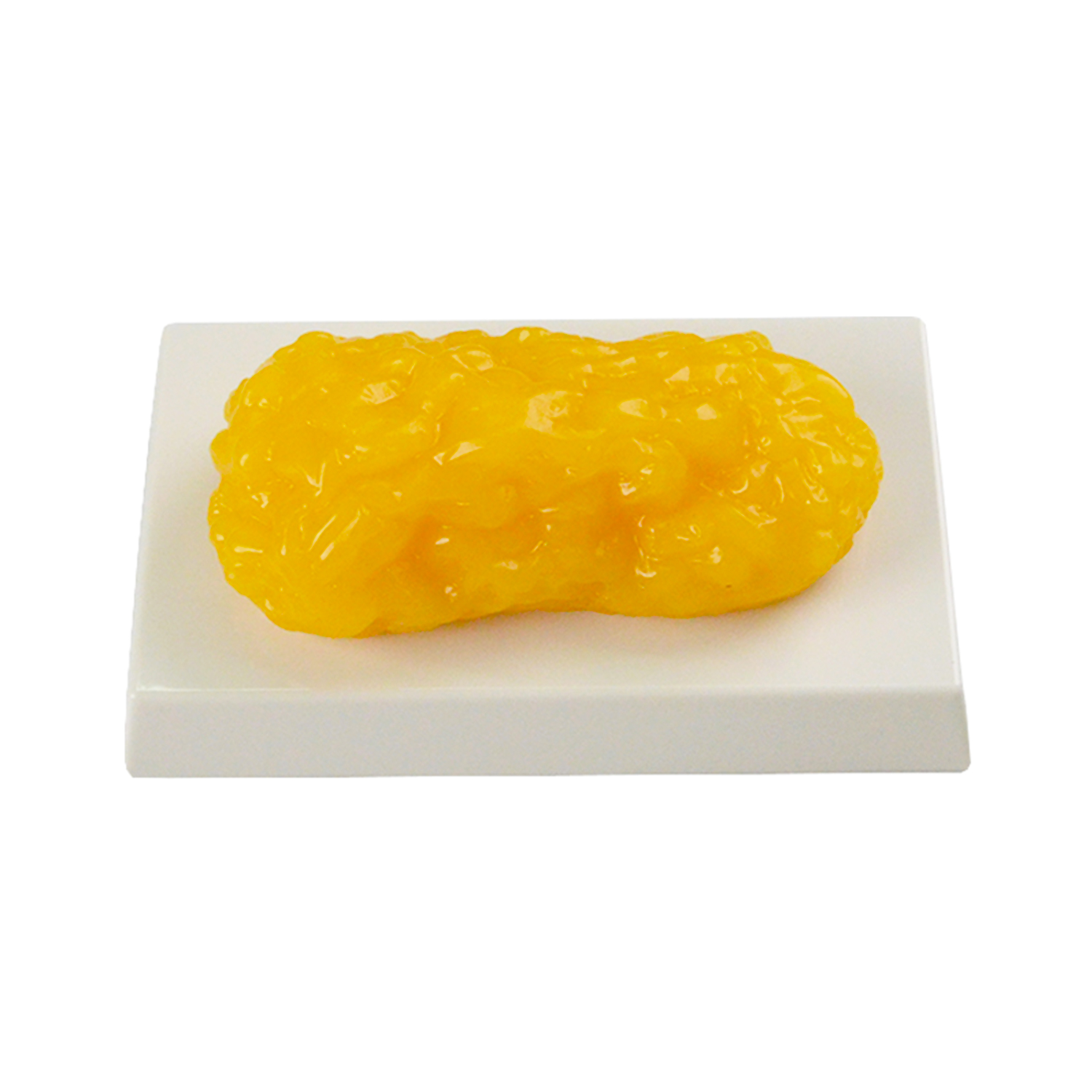
The Medtacedu 1LB Fat Replica Model with Base is a professionally designed human body fat replica for education and weight loss motivation. It accurately represents the weight, size, and texture of real human fat.
Crafted from soft, pliable materials, it offers a realistic tactile experience. The included base allows for display in classrooms, gyms, clinics, and health events.
- Exact one pound weight
- Realistic size and texture
- Compact dimensions of approximately 7.1 x 3.7 inches
- Portable and easy to use anywhere
- Ideal for fitness, education, and health awareness
DIY vs Professional Fat Replica Models
Understanding how to make a fat replica helps clarify the difference between DIY and professional options.
DIY Fat Replicas
- Lower cost
- Educational for makers
- Limited durability
- Less consistent realism
Professional Fat Replicas
- High accuracy
- Durable materials
- Consistent weight and texture
- Professional appearance
Summary Table: How to Make a Fat Replica
| Aspect | Key Points |
|---|---|
| Purpose | Education, motivation, health awareness |
| Weight | Typically one pound |
| Materials | Soft, non-toxic, pliable compounds |
| Accuracy | Critical for realism and effectiveness |
| Best Use | Visual and tactile learning environments |
Frequently Asked Questions
Is a fat replica the same as real human fat?
No. A fat replica mimics the size, weight, and feel but does not contain biological tissue.
Can I use a fat replica in fitness coaching?
Yes. Many trainers use fat replicas as powerful motivational tools.
Is making a fat replica safe?
It is safe when using non-toxic materials and proper hygiene practices.