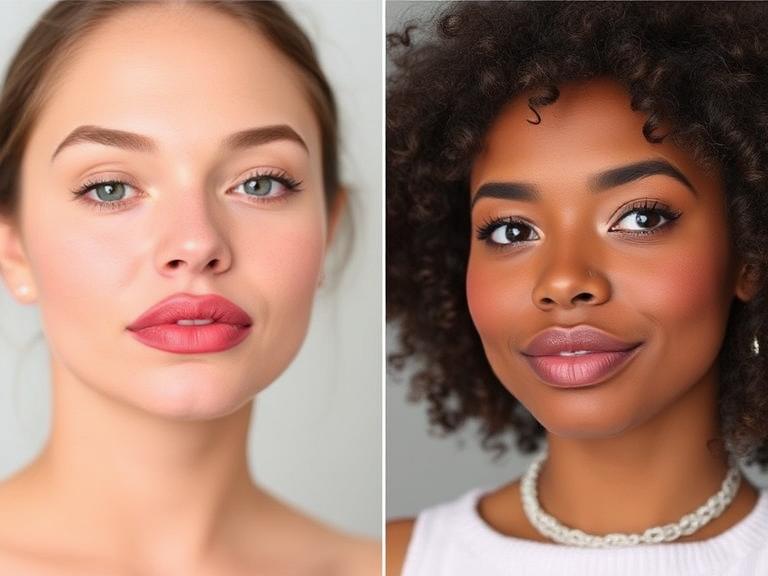
Wondering how to see if you look good with lip fillers before actually getting them? You’re not alone. Lip fillers are one of the world’s most popular aesthetic treatments, and millions of people consider them every year—but not everyone knows how to test, visualize, or evaluate whether the results will truly suit their face.
This comprehensive guide covers everything: virtual methods, at-home testing tricks, facial proportions, lip shapes, professional tools, expert tips, and how medical training products—such as those from Medtacedu—help practitioners deliver safe, predictable results.
Table of Contents
- What You’ll Learn
- Signs Lip Fillers Will Suit You
- 7 Ways to See If You Look Good With Lip Fillers
- Facial Proportion Rules to Check Yourself
- At-Home Lip Filler Simulation Tests
- Professional Tools & Medical Model Training
- Company Spotlight: Medtacedu
- Summary Table
- Frequently Asked Questions
- References
What You’ll Learn
By the end of this article, you’ll know exactly how to see if you look good with lip fillers using science-based techniques and realistic predictions.
- How to predict lip filler results using face analysis
- How to test lip volume without injections
- How apps and filters compare to real outcomes
- Why facial balance matters more than lip size
- How beauty practitioners simulate results using real-life medical models
Signs Lip Fillers Will Suit You
Before exploring how to see if you look good with lip fillers, start with natural facial indicators. Many people already have anatomical features that make fillers look exceptionally good.
1. You have a naturally defined Cupid’s bow
Fillers enhance definition even more, giving smooth and symmetrical contour.
2. Your upper lip curls inward when you smile
This is called a “gummy smile curl”—lip fillers can help maintain visible volume even during smiling.
3. Your lower face lacks shape or volume
When lips are naturally thin, fillers can balance the face noticeably.
4. Your facial features are strong and symmetrical
Lip fillers tend to look best when they harmonize with other balanced features.
7 Ways to See If You Look Good With Lip Fillers (2025 Proven Methods)
If you want to know how to see if you look good with lip fillers, use the following professional methods used by cosmetic practitioners.
1. Virtual lip filler apps (AI-based prediction)
Modern AI beauty apps use face mapping to predict realistic lip filler results. Look for tools with:
- 3D facial scanning
- Adjustable volume sliders
- Before/after comparison
2. Beauty filters on social media
While not perfect, lip plumping filters give a general sense of volume and shape.
3. The Lip Tuck Test (zero-cost test)
Gently roll your lips forward and hold for 3 seconds. If your lips look fuller and balanced, fillers may suit you.
4. The Thumb Lift Test
Press lightly on the center of your upper lip. The outward curl mimics the subtle lift of fillers.
5. Proportion Mapping (Golden Ratio Test)
Use your phone camera and check if the upper-to-lower lip ratio is approximately 1:1.6.
6. Professional Simulation Software
Cosmetic clinics often use high-accuracy 3D facial imaging systems to create filler forecasts.
7. Medical training & model-based simulations
This includes silicone-based facial injection models—like those from Medtacedu—which allow practitioners to simulate injection depth, placement, and volume for realistic outcomes.
Facial Proportion Rules to Check Yourself
Understanding beauty ratios is one of the best ways to determine how to see if you look good with lip fillers before getting them.
Ideal Lip Proportions
- Upper lip: 40% volume
- Lower lip: 60% volume
Balance with Chin and Nose
- If the chin is strong, fillers help balance the profile.
- If the nose is larger, subtle fillers create harmony without exaggeration.
Philtrum Length Check
A long philtrum (space between lip and nose) often benefits from mild lip augmentation.
At-Home Tests to Predict Lip Filler Results
Here’s how to replicate filler appearance realistically without injections:
1. Lip Liner Volume Trick
Overline no more than 1–2 mm. If it already looks too dramatic, fillers may overwhelm your face.
2. Ice Test for Puff Simulation
Ice temporarily swells the lips slightly—helpful for visualizing light filler results.
3. Straw Pressure Technique
Bite a straw gently between your lips. The surrounding muscles push forward, mimicking extra volume.
4. Tape Pull Method
Use hypoallergenic tape to lift the vermillion border. This method is surprisingly accurate.
How Professionals Predict Lip Filler Results
Injectors follow strict visual, numerical, and structural assessments to determine how fillers will look on a client. These principles also explain how to see if you look good with lip fillers from a medical perspective.
1. Lip Symmetry Analysis
Practitioners check for asymmetries in shape, height, and projection.
2. Tissue Quality + Elasticity
Soft, flexible tissues respond better to filler expansion.
3. Muscle Activity Patterns
They analyze how the lips move during speaking, smiling, and resting.
4. 3D Facial Imaging
Clinics use 3D scanners to show predicted volume increases.
5. Medical training using injection models
Many medical professionals practice techniques on lifelike models to ensure safe, precise results.
Company Spotlight: Medtacedu
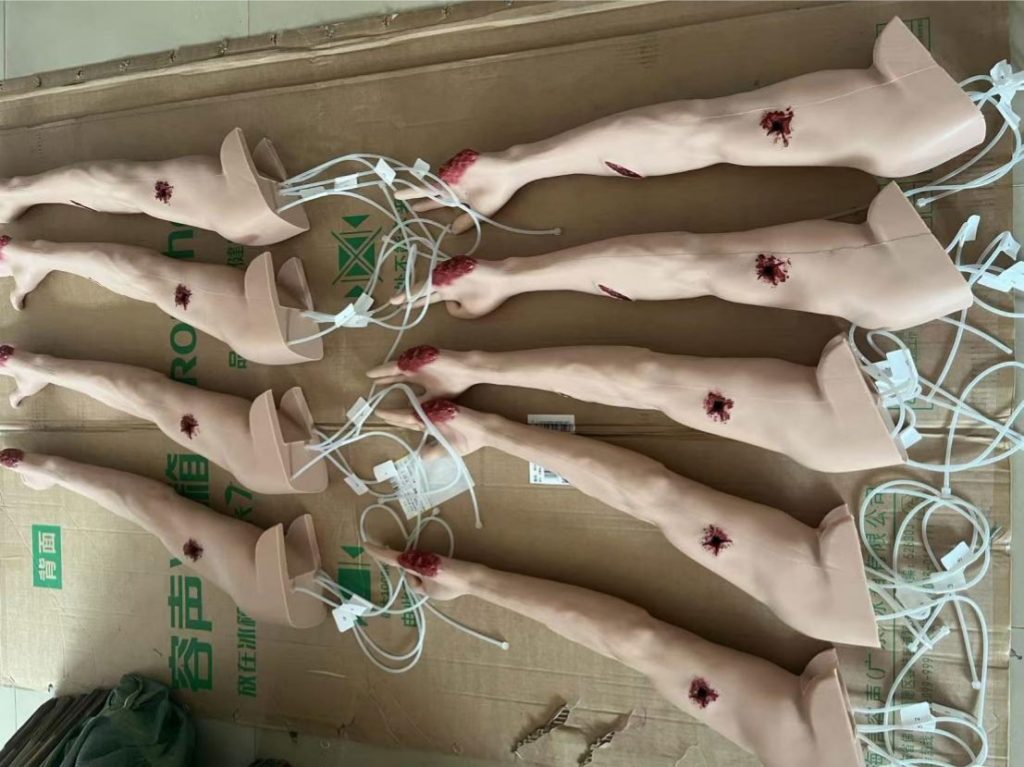
Predicting natural, beautiful lip filler results requires skill and education. This is where Medtacedu plays an important role in the beauty, medical, and tactical training industries.
Who is Medtacedu?
Medtacedu specializes in high-quality silicone and plastic training models used worldwide for:
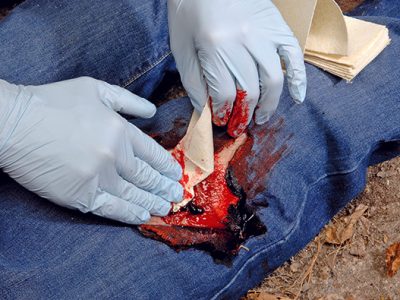
- Tactical training – wound dressing models, trauma manikins, emergency kits
- Medical demonstration – disease models, device display models
- Science education – veterinary models, custom science tools
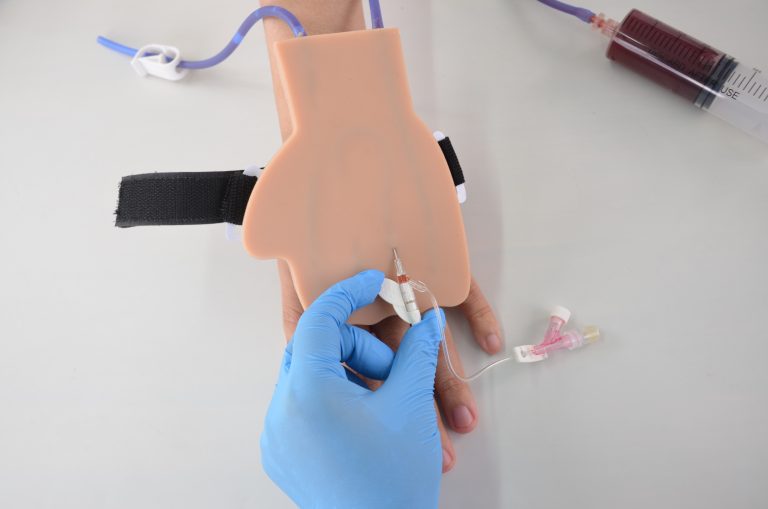
- Injection training – ID/SC/IM/IV models, facial filler injection models
Why Medtacedu is important for aesthetic practitioners
Their Beauty Injection Models allow professionals to master proper needle depth, symmetry correction, shaping techniques, and safe injection angles—improving outcomes for real clients.
Because of their 16+ years of manufacturing experience, Medtacedu delivers highly realistic training tools that help practitioners predict and deliver natural lip enhancements safely and accurately.
Products Offered
Recommended products
-
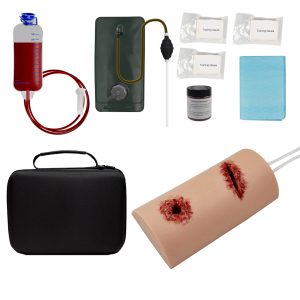
2 IN 1 Multitask Wound Packing Training Kit
Add to cart$139 -
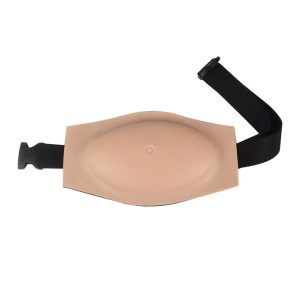
Belly Injection Model for Abdominal Injection Practice
Add to cart$58.99 -
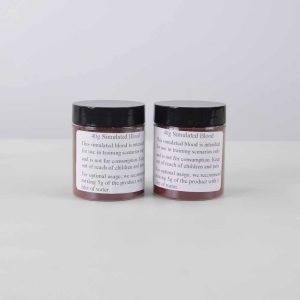
40g Fake Blood Powder
Add to cart$19.99 -
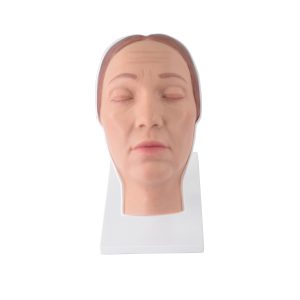
Facial Injection Training Model
Add to cart$199 -
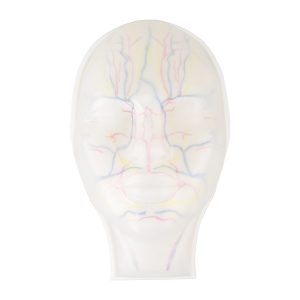
Clear Facial Injection Model with Arteries, Veins and Nerves
Add to cart$119
Whether for clinics, universities, or training centers, these tools elevate educational quality and help ensure safer lip filler outcomes.
Summary Table: How to See If You Look Good With Lip Fillers
| Method | Accuracy Level | Best Use |
|---|---|---|
| AI Lip Filler Apps | ⭐⭐⭐⭐ | Realistic digital preview |
| Social Filters | ⭐⭐⭐ | Quick idea of shape |
| Thumb Lift / Lip Tuck Test | ⭐⭐⭐⭐ | Simulating natural projection |
| Overlining Makeup Test | ⭐⭐⭐ | Testing subtle volume |
| Ice Puff Simulation | ⭐⭐ | Preview mild swelling volume |
| 3D Clinic Imaging | ⭐⭐⭐⭐⭐ | Most accurate professional prediction |
| Medical Model-Based Simulation | ⭐⭐⭐⭐⭐ | Training, technique, realistic injection depth |
Frequently Asked Questions
1. How can I tell if lip fillers will look natural on me?
Check your natural lip symmetry, upper-to-lower lip ratio, and how your lips move when speaking and smiling. Use AI apps or professional imaging for better prediction.
2. What is the fastest way to see if I look good with lip fillers?
The Lip Tuck Test and AI simulation apps offer near-instant results.
3. Can lip fillers look bad on some people?
Yes—especially if the philtrum is short, the jawline is very small, or fillers exceed facial proportions.
4. How do professionals ensure safe results?
Through experience, 3D imaging, and training on realistic injection models like those from Medtacedu.
5. Do AI filters accurately show filler results?
They offer a close estimate, though real-life swelling and tissue behavior may differ slightly.