Introduction to IV Training
IV training, short for intravenous training, is a critical component of veterinary education and practice. It involves the practice of inserting intravenous catheters, administering injections, performing blood draws, and infusing fluids into animals. This specialized training ensures that veterinary professionals can perform these procedures accurately and safely, minimizing discomfort and risk to the animals under their care.
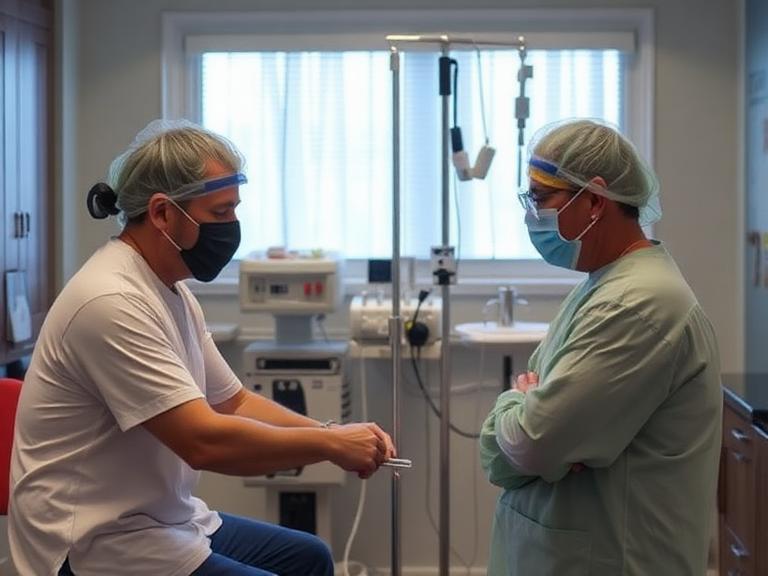
The use of realistic IV training models, such as the Medtacedu Canine IV Training Model, has revolutionized the way veterinary students and professionals acquire and refine their skills. These models provide a lifelike environment for practicing essential procedures, allowing learners to gain confidence and competence before performing on live animals.
Table of Contents
Importance of IV Training in Veterinary Medicine
IV training is indispensable in veterinary medicine for several reasons. Firstly, it ensures that veterinary professionals can quickly and effectively administer medications, fluids, and nutrients directly into the bloodstream, which is often necessary in emergency situations or for animals with chronic conditions requiring ongoing treatment.
Secondly, IV training helps reduce the risk of complications associated with intravenous procedures, such as infection, infiltration, and phlebitis. By practicing on realistic models, veterinary professionals can learn proper techniques for catheter placement, securement, and maintenance, thereby minimizing the likelihood of adverse events.
Lastly, IV training enhances the overall quality of care provided to animals. When veterinary professionals are well-trained in IV procedures, they can deliver treatments more efficiently and with greater precision, leading to better outcomes and improved patient satisfaction.
Components of IV Training Models
IV training models, such as the Medtacedu Canine IV Training Model, are designed to replicate the anatomy and physiology of real animals as closely as possible. Key components of these models include:
Veins and Blood Flow
The models feature built-in tubing that mimics veins, allowing learners to experience the sensation of flashback during IV insertion. This flashback is a critical indicator that the needle has entered the vein correctly, and its realistic simulation helps learners develop the necessary skills to perform accurate insertions.
Multiple Needle Puncture Capability
Unlike live animals, IV training models can withstand multiple needle punctures without discomfort or injury. This feature allows learners to practice their techniques repeatedly until they achieve mastery, without the need for constant model replacement.
Realistic Anatomy
The Medtacedu Canine IV Training Model includes cephalic veins, which are commonly used for IV access in dogs. The model’s lifelike anatomy provides an authentic training experience, helping learners become familiar with the specific landmarks and structures they will encounter in real-life scenarios.
Medtacedu Canine IV Training Model
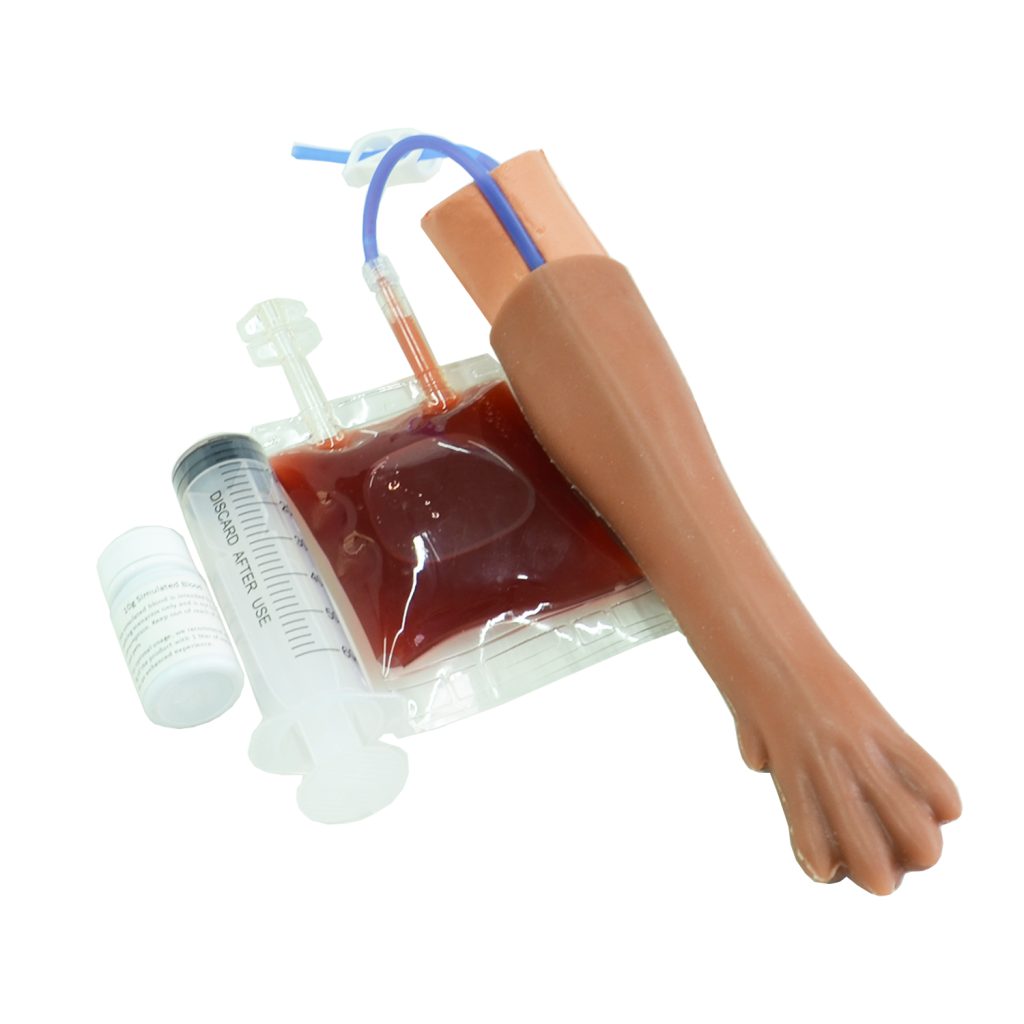
The Medtacedu Canine IV Training Model is a state-of-the-art training tool designed specifically for veterinary students and professionals. It offers a comprehensive range of features that make it an ideal choice for IV training:
- Cephalic Veins for IV Practice: The model includes realistic cephalic veins, allowing learners to practice IV catheter placement, IV injection, phlebotomy, and blood draw training with lifelike accuracy.
- Realistic Veterinary Training Model: Designed for veterinary students and professionals, this canine IV leg provides an authentic training experience that enhances hands-on learning before performing procedures on live animals.
- Veins & Blood Flow: The built-in tubing mimics veins, enabling learners to experience flashback during IV insertion and practice multiple needle punctures without causing harm to the model.
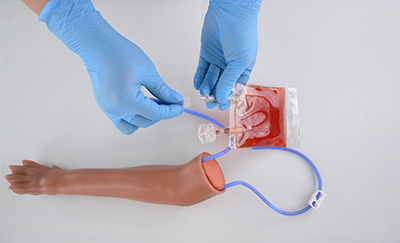
- Easy Setup & Maintenance: The model comes with an IV practice kit that includes a fluid bag and simulated blood, making preparation and cleanup hassle-free. This feature ensures that learners can focus on their training without worrying about logistical challenges.
- IV Trainer for Multiple Use: The Medtacedu Canine IV Training Model allows learners to practice a variety of IV-related procedures, including catheter placement, blood draws with realistic flashback, and fluid infusion techniques. Its versatility makes it a valuable addition to any veterinary training program.
- Essential for Veterinary Education: Perfect for vet schools, hospitals, and training centers, this model enhances hands-on learning and helps prepare veterinary professionals for real-world challenges. By providing a realistic training environment, it contributes to the development of competent and confident practitioners.
Benefits of Using IV Training Models
The use of IV training models, such as the Medtacedu Canine IV Training Model, offers numerous benefits for veterinary education and practice:
Enhanced Skill Development
IV training models provide a safe and controlled environment for learners to practice and refine their skills. By repeating procedures on the model, learners can develop muscle memory and improve their technique, leading to greater proficiency when performing on live animals.
Reduced Risk of Complications
Practicing on realistic models helps learners become familiar with the proper techniques for IV procedures, reducing the risk of complications such as infection, infiltration, and phlebitis. This, in turn, leads to safer and more effective treatments for animals.
Increased Confidence
By gaining experience and competence through IV training models, veterinary professionals can approach real-life scenarios with greater confidence. This confidence translates into better decision-making and improved patient outcomes.
Cost-Effective Training Solution
IV training models are a cost-effective alternative to using live animals for training purposes. They can be used repeatedly without the need for constant replacement, making them a sustainable and economical choice for veterinary training programs.
Summary Table
| Feature | Description |
|---|---|
| Model Name | Medtacedu Canine IV Training Model |
| Purpose | IV catheter placement, IV injection, phlebotomy, and blood draw training |
| Anatomy | Realistic cephalic veins for lifelike accuracy |
| Veins & Blood Flow | Built-in tubing mimics veins, allowing for realistic flashback during IV insertion |
| Setup & Maintenance | Comes with IV practice kit components, including fluid bag and simulated blood |
| Multiple Use | Allows practice of catheter placement, blood draws, and fluid infusion techniques |
| Target Audience | Veterinary students and professionals |
| Benefits | Enhanced skill development, reduced risk of complications, increased confidence, cost-effective training solution |
Frequently Asked Questions (FAQs)
Q: What is the purpose of IV training in veterinary medicine?
A: IV training in veterinary medicine is designed to help veterinary professionals learn and practice the skills necessary for inserting intravenous catheters, administering injections, performing blood draws, and infusing fluids into animals. This training ensures that procedures are performed accurately and safely, minimizing discomfort and risk to the animals.
Q: How does the Medtacedu Canine IV Training Model enhance veterinary education?
A: The Medtacedu Canine IV Training Model provides a realistic and controlled environment for veterinary students and professionals to practice IV-related procedures. Its lifelike anatomy and features, such as built-in tubing for veins and blood flow, allow learners to develop the necessary skills and confidence before performing on live animals. This enhances the overall quality of veterinary education and prepares practitioners for real-world challenges.
Q: Can IV training models be used for multiple procedures?
A: Yes, IV training models like the Medtacedu Canine IV Training Model are designed for multiple use. They allow learners to practice a variety of procedures, including catheter placement, blood draws with realistic flashback, and fluid infusion techniques. This versatility makes them a valuable addition to any veterinary training program.
Q: Are IV training models cost-effective compared to using live animals for training?
A: Yes, IV training models are a cost-effective alternative to using live animals for training purposes. They can be used repeatedly without the need for constant replacement, making them a sustainable and economical choice for veterinary training programs. Additionally, they reduce the risk of complications associated with live animal training, further contributing to their cost-effectiveness.