Becoming a permanent makeup artist is one of the most rewarding and fast-growing career paths in the beauty and aesthetics industry. With rising demand for eyebrow microblading, lip blushing, eyeliner tattooing, scalp micropigmentation (SMP), and paramedical tattooing, skilled professionals have more opportunities than ever. But what qualifications do you actually need to enter this profession—and how do you build the confidence and competence required to succeed?
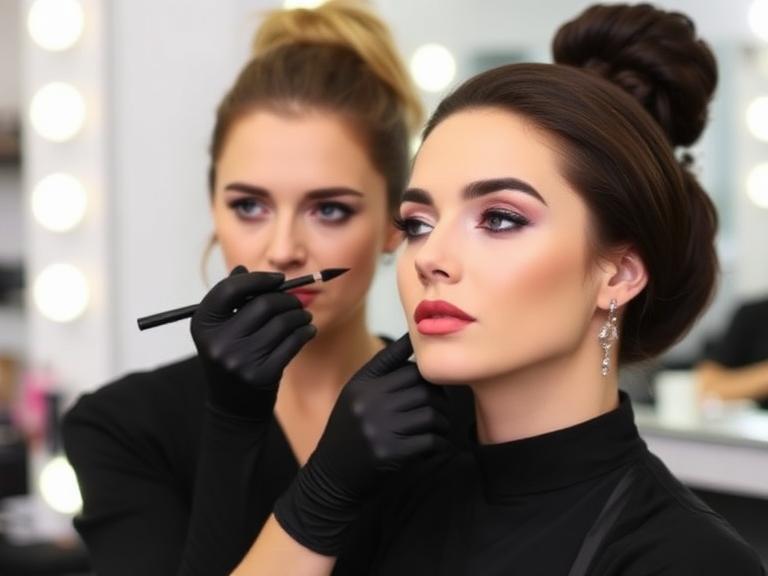
This comprehensive guide explains every qualification, certification, skill, and tool you need to become a professional permanent makeup artist. Whether you’re entering the field for the first time or looking to upgrade your expertise, this article breaks down all the essentials in a clear and professional way.
Table of Contents
- What Is Permanent Makeup?
- Basic Qualifications Required for a Permanent Makeup Artist
- Education & Training Requirements
- Licensing Requirements by Region
- Essential Skills Every Permanent Makeup Artist Needs
- Tools & Training Equipment (Including Medtacedu Facial Injection Training Model)
- Professional Workflow & Safety Standards
- Career Path & Income Potential
- Summary Table of Required Qualifications
- Frequently Asked Questions
- References
What Is Permanent Makeup?
Permanent makeup, also known as micropigmentation or cosmetic tattooing, involves depositing pigment into the dermal layers of the skin to enhance natural features. Popular services include:
- Eyebrow microblading and shading
- Lip blushing
- Permanent eyeliner
- Scalp micropigmentation (SMP)
- Areola restoration
- Scar camouflage
Because these procedures affect the skin and require precision, the role of a permanent makeup artist demands both artistic skill and clinical-level safety training.
Basic Qualifications Required for a Permanent Makeup Artist
Although the industry varies by region, most permanent makeup professionals need a combination of training, licensing, and hands-on practice. Here are the universal baseline qualifications:
1. Minimum Age Requirement
Most regions require artists to be at least 18 years old to perform tattoo or cosmetic tattoo services.
2. High School Diploma or Equivalent
While not always mandatory, many training academies prefer students to have at least a high school diploma or equivalent.
3. Bloodborne Pathogens (BBP) Certification
This is one of the most critical credentials. A BBP certification ensures you understand how to prevent the transmission of infectious diseases—an essential qualification for permanent makeup artists.
4. CPR & First Aid Certification
Many regions require basic life support training before licensing an artist.
Education & Training Requirements
To become a professional permanent makeup artist, you must complete formal training that includes coursework, hands-on practice, and real-model procedures.
1. Accredited Permanent Makeup Training Program
A professional program typically covers:
- Skin anatomy and physiology
- Color theory and pigment selection
- Eyebrow, lip, and eyeliner techniques
- Machine handling and needle configurations
- Client consultation and mapping
- Contraindications and risk factors
- Sterilization and workspace setup
2. Apprenticeship (Required in Some Areas)
Some states and countries require 100–600 hours of apprenticeship under a licensed professional.
3. Practical Training With Realistic Models
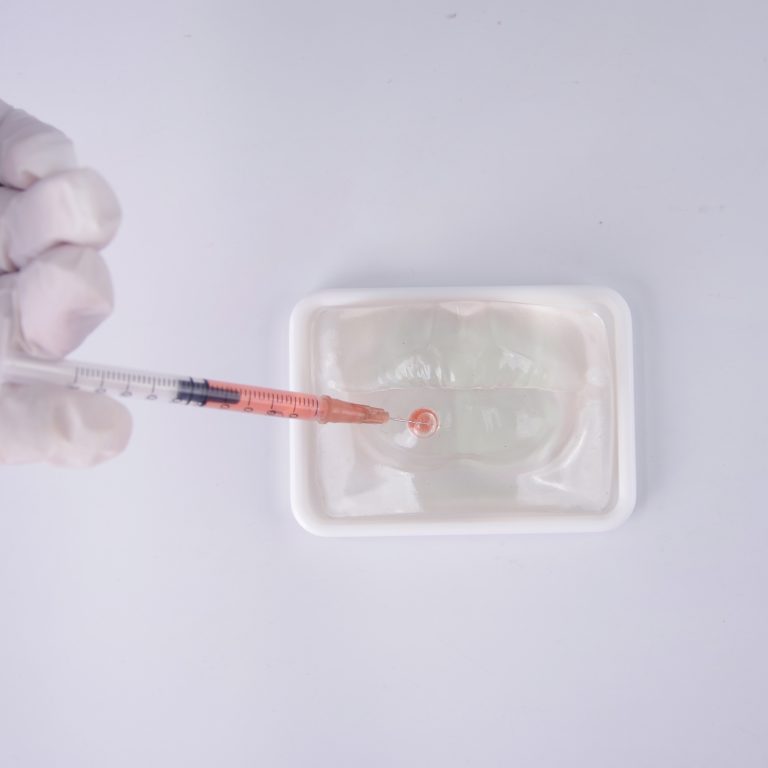
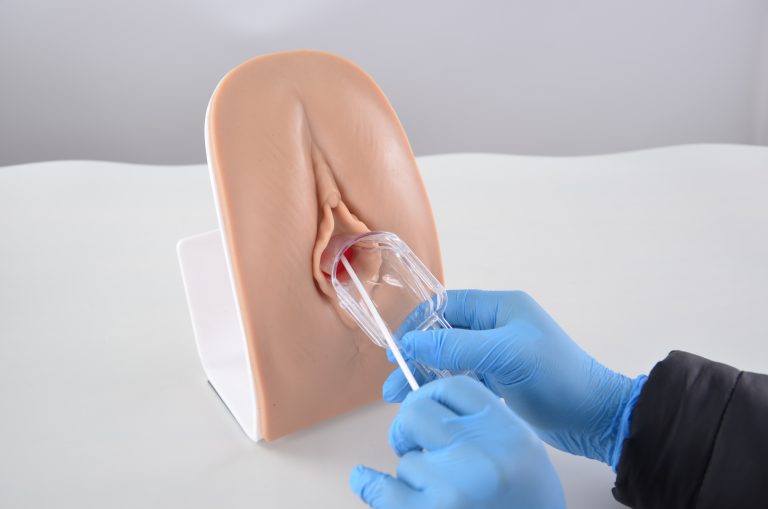
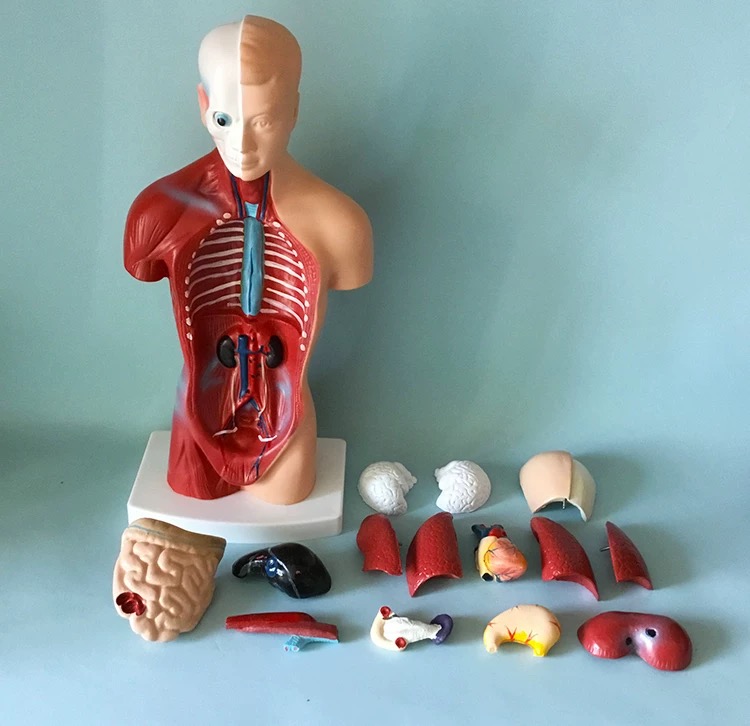
Training begins on synthetic skin and mannequin heads before moving to live models. This is where specialized equipment—such as advanced anatomical practice heads—becomes essential.
Tools & Training Equipment (Including Medtacedu Facial Injection Training Model)
Medtacedu Facial Injection Training Model
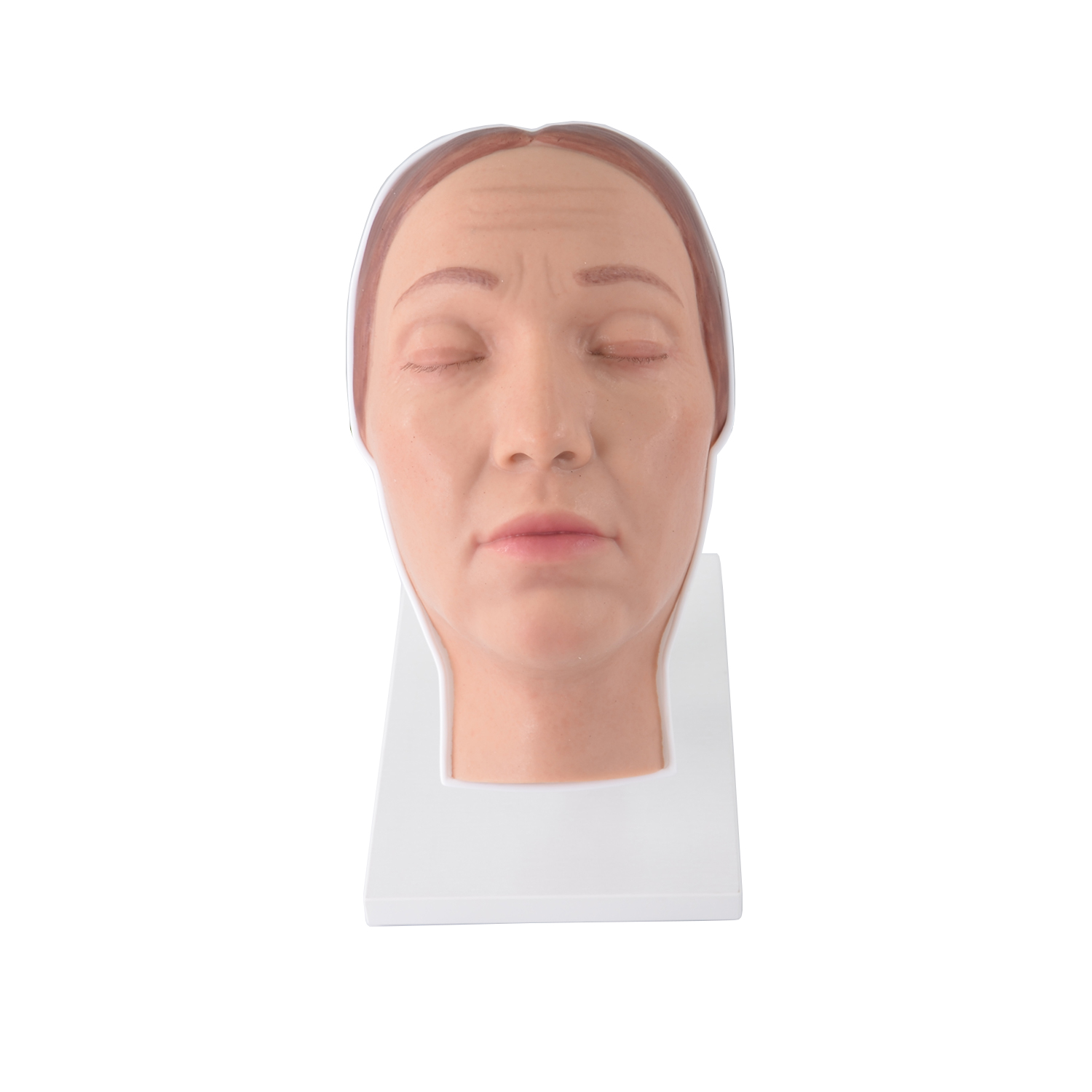
The Medtacedu Facial Injection Training Model is a life-size, hyper-realistic model designed to help aesthetic trainees practice Botox, dermal fillers, and facial anatomy. Its natural skin texture, realistic wrinkles, and simulated skull structure make it ideal for building precision and injection confidence.
- 1:1 real human scale with anatomical accuracy
- Wrinkle zones mapped for forehead, glabella, mid-face, lip, and jawline
- Suitable for needle and cannula practice
- Reusable, wipe-clean soft skin
- Perfect for PMU artists learning mapping, laser techniques, and dermal practice
This versatile model is widely used in beauty schools, medical academies, and by independent permanent makeup practitioners to develop advanced skill sets.
Why This Tool Matters for Permanent Makeup Artists
While PMU artists are not medical injectors, understanding facial planes, muscles, and anatomy is crucial. Training models help artists:
- Improve measurement accuracy
- Enhance symmetry and proportional mapping
- Understand depth and pressure control
- Practice safe working angles
Licensing Requirements by Region
Licensing for permanent makeup varies significantly depending on your country or state. Generally, you may need one or more of the following:
- Tattoo license (common in the U.S.)
- Cosmetology or esthetics license (required in some countries)
- Health department certification
- PMU-specific certification from accredited academies
Always check your local authority for exact requirements.
Essential Skills Every Permanent Makeup Artist Needs
1. Artistic Skill & Aesthetic Judgment
PMU is a blend of beauty and precision. Artists must understand symmetry, color balance, and facial structure.
2. Hygiene & Sterilization
Strict hygiene knowledge is required to ensure client safety and legal compliance.
3. Machine Mastery & Needle Control
Artists must master pressure, depth, and speed to create flawless results without damaging the skin.
4. Client Consultation & Communication
Understanding client preferences, explaining risks, and setting realistic expectations is essential.
Professional Workflow & Safety Standards
A qualified permanent makeup artist must follow medical-grade safety procedures, including:
- Using disposable needles
- Following cross-contamination protocols
- Maintaining sterile environments
- Detailed record-keeping for every client
Career Path & Income Potential
A certified permanent makeup artist can work in:
- PMU studios
- Medical aesthetic clinics
- Plastic surgery centers
- Day spas
- Private practice
Income varies, but experienced PMU artists can earn $70,000–$250,000 annually, depending on specialization and location.
Summary Table: Required Qualifications
| Qualification | Required? | Description |
|---|---|---|
| Minimum Age | Yes | Must be 18+ to perform tattoo services |
| BBP Certification | Yes | Prevents disease transmission |
| PMU Training Course | Yes | Teaches hands-on technique and theory |
| Licensing | Depends on Region | Required in most locations |
| Practice Models | Highly Recommended | Tools like Medtacedu injection head improve precision |
Frequently Asked Questions
1. Do you need a cosmetology license to become a permanent makeup artist?
In most regions, no. A tattoo or PMU license is typically required instead, but this varies by country and state.
2. How long does it take to become fully qualified?
Most PMU artists complete their training within 3–12 months, depending on course length and licensing requirements.
3. Can you practice at home after getting certified?
You must meet all local health department regulations. Some areas allow home studios; others require licensed facilities.
4. What tools do beginners need?
A PMU machine, pigments, needles, mapping tools, pigment cups, and training models like the Medtacedu Facial Injection Training Model.
5. Is permanent makeup a safe career?
Yes—when performed by properly trained and certified professionals following strict hygiene practices.
References
- Occupational Safety & Health Administration – Bloodborne Pathogens Standard
- Society of Permanent Cosmetic Professionals (SPCP)
- American Academy of Micropigmentation (AAM)