Learning how to give subcutaneous injection in abdomen is a critical skill for millions of people worldwide. Whether you are managing diabetes with insulin, treating infertility with hormone therapy, or preventing blood clots with anticoagulants, the abdomen is one of the most common and effective sites for medication delivery. This guide provides a comprehensive, professional walkthrough to ensure your technique is safe, painless, and effective.
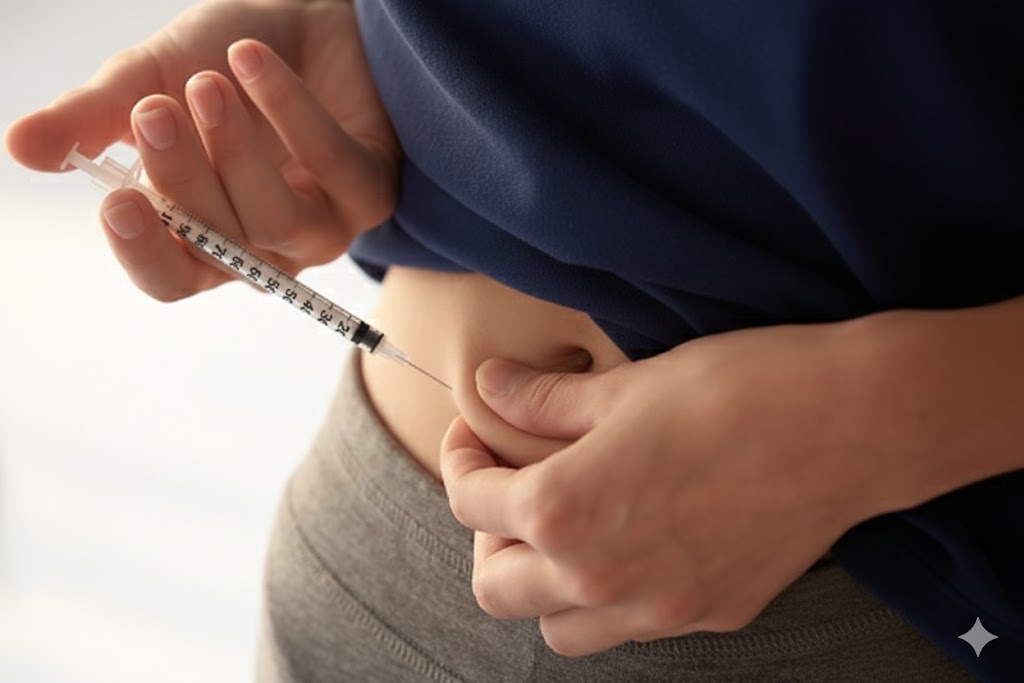
Table of Contents
- Understanding Subcutaneous Injections
- Step 1: Preparation and Supplies
- Step 2: Selecting the Proper Abdominal Site
- Training Tool: Belly Injection Model for Practice
- Step 3: The Injection Procedure Step-by-Step
- Professional Tips for Reducing Pain
- Safety and Disposal Guidelines
- Summary Table: Best Practices
- Frequently Asked Questions
- References
Understanding Subcutaneous Injections
A subcutaneous injection is a method of administering medication into the fatty tissue layer located directly between the skin and the muscle. This layer is ideal because it has few blood vessels, allowing the medication to be absorbed slowly and consistently over time. When you give subcutaneous injection in abdomen, you are utilizing an area with ample adipose tissue, making it a preferred choice for medications that require steady absorption.
The abdomen is often favored because it is easily accessible for self-administration. Furthermore, the rate of absorption in the abdomen is typically faster and more predictable than in the thigh or upper arm. Mastering how to give subcutaneous injection in abdomen correctly ensures that the medication reaches the right depth without accidentally entering the muscle layer, which could lead to painful bruising or rapid absorption.
Step 1: Preparation and Supplies
Before you begin the process to give subcutaneous injection in abdomen, you must gather all necessary supplies. Working in a clean, well-lit environment is essential to prevent infection and ensure accuracy. You will typically need:
- The prescribed medication (vial or pre-filled pen)
- A sterile syringe and needle (if not using a pre-filled pen)
- Alcohol prep pads or swabs
- Sterile gauze or a cotton ball
- An adhesive bandage (optional)
- A sharps disposal container
Always check the medication label for the expiration date and ensure the liquid is clear and free of particles unless specified otherwise by the manufacturer. Wash your hands thoroughly with soap and warm water for at least 20 seconds before handling any supplies.
Step 2: Selecting the Proper Abdominal Site
When you give subcutaneous injection in abdomen, site selection is paramount. The target area is the “fatty” part of the belly. Specifically, you should stay at least two inches away from the navel (belly button) in any direction. Avoid areas with scars, moles, bruises, or stretch marks, as these tissues may not absorb medication properly.
Site rotation is another crucial aspect of learning how to give subcutaneous injection in abdomen. Injecting in the exact same spot repeatedly can cause lipohypertrophy, a condition where lumps of fat or scar tissue form under the skin. This can interfere with medication absorption. Use a “clock method” or a grid pattern to ensure you are moving the injection site by at least one inch each time.
Belly Injection Model for Abdominal Injection Practice
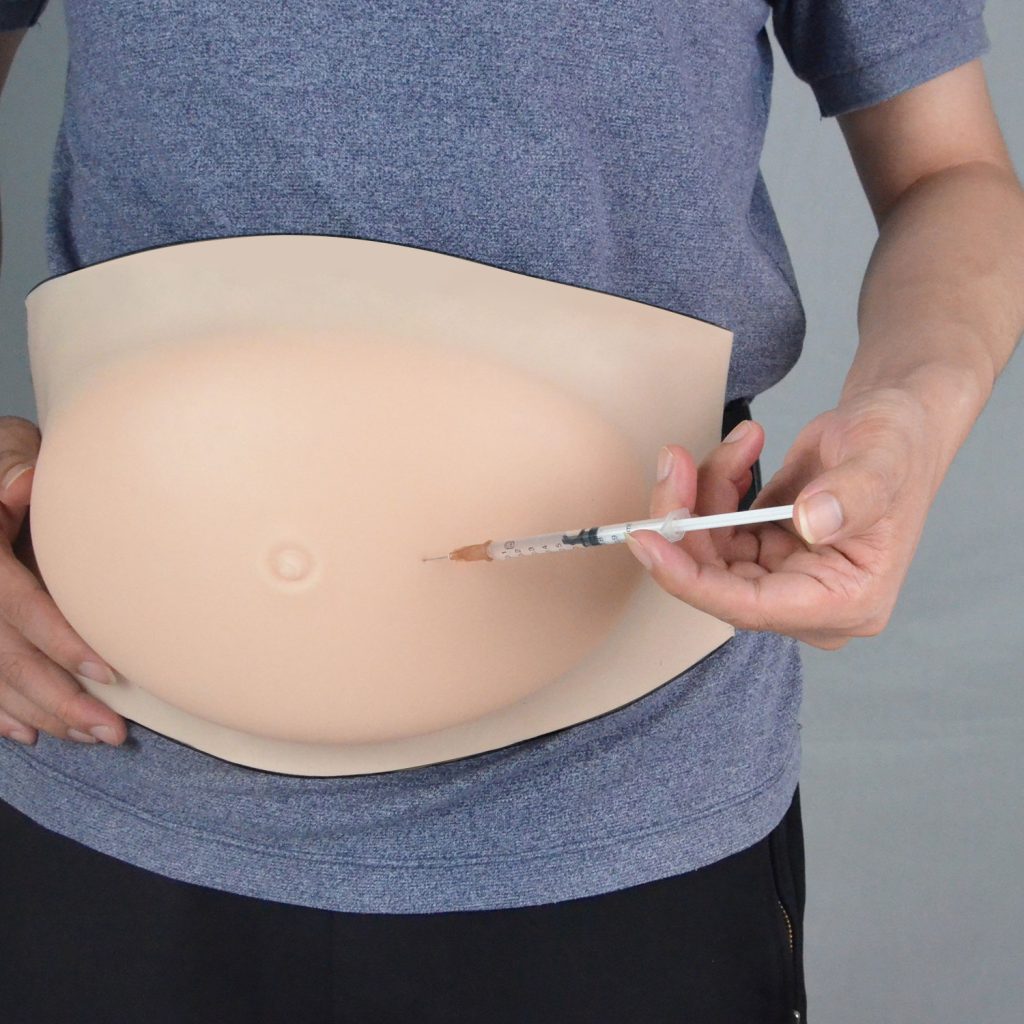
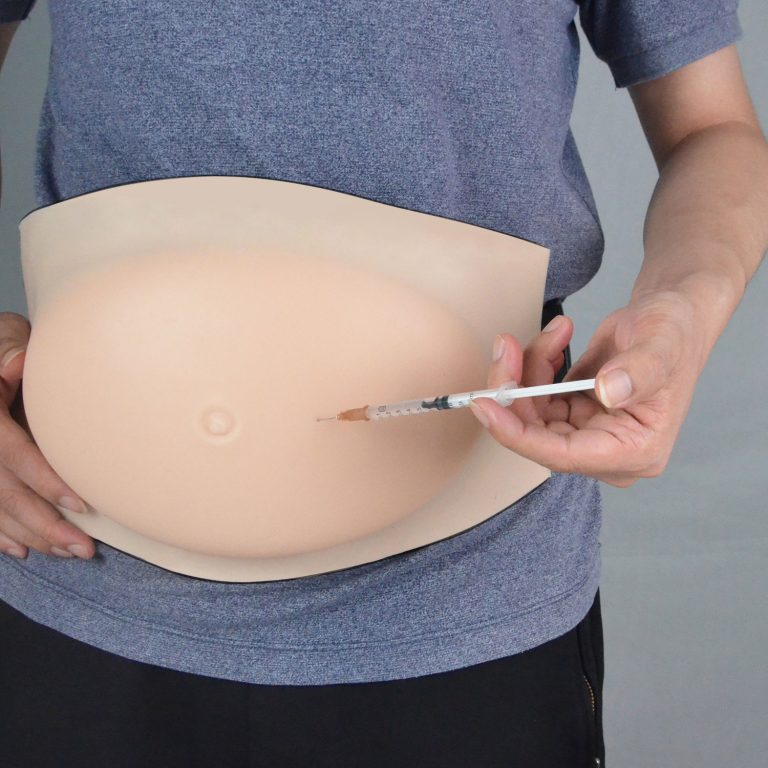
If you are new to self-administration, the Belly Injection Model for Abdominal Injection Practice is an invaluable resource. This realistic, wearable abdominal injection model can be worn to simulate real subcutaneous injection scenarios. The soft, lifelike texture mimics human skin and fat layers, providing a safe environment to build muscle memory.
Key Features for Skill Development:
- Skill Development Before Patient Injection: Perfect your injection technique with this belly injection model before working with real patients. This realistic training model helps users identify proper injection sites, control needle angle and depth, and reduce anxiety associated with self-injection.
- Internal Absorption: An internal sponge absorbs injected liquid and can be easily removed for drainage and cleaning after repeated practice.
- Patient Education & Home Practice: Ideal for patients who require long-term self-injections, such as insulin or growth hormone. Provides a safe and effective way to practice at home and build confidence.
- High-Fidelity Design: The abdominal pad’s thickness is perfect for subcutaneous injections. It comes with a backing protective pad to prevent needle punctures, making it ideal for medical students, nurses, and anyone who requires frequent abdominal injections.
Step 3: The Injection Procedure Step-by-Step
Follow these precise steps to give subcutaneous injection in abdomen correctly:
1. Clean the Site
Use an alcohol swab to clean the chosen site. Start at the center and move outward in a circular motion. Allow the skin to air dry completely. Do not blow on the site to dry it, as this can introduce bacteria.
2. Prepare the Needle
Remove the cap from the needle. If you are using a syringe, pull the plunger back to draw in an amount of air equal to your dose, then inject that air into the vial to equalize pressure before drawing the medication. If using a pen, prime the needle according to the manufacturer’s instructions.
3. The “Pinch” Technique
With your non-dominant hand, gently pinch a 1-to-2-inch fold of skin and fatty tissue. This pulls the subcutaneous fat away from the underlying muscle. Holding the pinch ensures you give subcutaneous injection in abdomen at the correct depth.
4. Inserting the Needle
Hold the syringe like a dart. Insert the needle quickly at a 90-degree angle (perpendicular to the skin). If you have very little body fat, your healthcare provider might recommend a 45-degree angle. Push the needle all the way into the skin fold.
5. Delivering the Medication
Push the plunger down slowly and steadily until all the medication is delivered. Once finished, wait about 5 to 10 seconds before withdrawing the needle to prevent the medication from leaking out of the injection track.
Professional Tips for Reducing Pain
Many people feel anxious about the pain associated with self-injections. However, knowing how to give subcutaneous injection in abdomen with professional finesse can minimize discomfort significantly.
- Room Temperature Medication: Injecting cold medication can be more painful. Let the syringe or pen sit at room temperature for 15-30 minutes (if the medication instructions allow).
- Fast Insertion, Slow Delivery: Inserting the needle quickly reduces the sensation of the prick, while a slow, steady delivery of the liquid prevents tissue distention pain.
- Avoid Muscle: Ensure your pinch is firm enough to isolate the fat. If you feel a sharp, deep pain, you may have hit a muscle. Using a tool like the Belly Injection Model helps you master the “feel” of a proper subcutaneous depth.
Safety and Disposal Guidelines
Once you give subcutaneous injection in abdomen, safety does not end. Proper disposal is mandatory to prevent accidental needle sticks. Never recap a used needle. Place the entire syringe and needle assembly into a puncture-resistant sharps container immediately.
Monitor your injection sites for signs of infection, such as increasing redness, warmth, swelling, or pus. If you experience a systemic allergic reaction (hives, difficulty breathing), seek emergency medical attention immediately. Consistent training for caregivers and medical staff using high-fidelity models is an excellent educational tool for family members and healthcare providers involved in chronic disease care.
Summary Table: Best Practices
| Action | Recommended Practice | Reasoning |
|---|---|---|
| Angle | 90 degrees (45 if thin) | Ensures delivery to fatty tissue, not muscle. |
| Site Distance | 2 inches from navel | Avoids sensitive vessels and connective tissue. |
| Alcohol swab (Air dry) | Prevents infection and stinging. | |
| Rotation | 1 inch apart each time | Prevents lipohypertrophy (lumps). |
Frequently Asked Questions
Is the abdomen the best place for insulin?
Yes, for many patients, the abdomen provides the most consistent and rapid absorption of insulin compared to the thighs or buttocks.
What if I see a drop of blood after I give subcutaneous injection in abdomen?
A small drop of blood is normal if you hit a tiny capillary. Simply apply gentle pressure with a gauze pad. Do not rub the area, as this can cause bruising.
How can I get over the fear of needles?
Practice is the best remedy. Using a Belly Injection Model for Abdominal Injection Practice allows you to get comfortable with the mechanical motions without the stress of an actual needle stick.
References
- American Diabetes Association. (2025). Insulin Administration Standards.
- World Health Organization. Best Practices for Injections and Related Procedures Toolkit.
Mastering how to give subcutaneous injection in abdomen is a journey toward independence in your healthcare. By following these steps and utilizing realistic practice tools, you can ensure your treatments are both safe and effective.