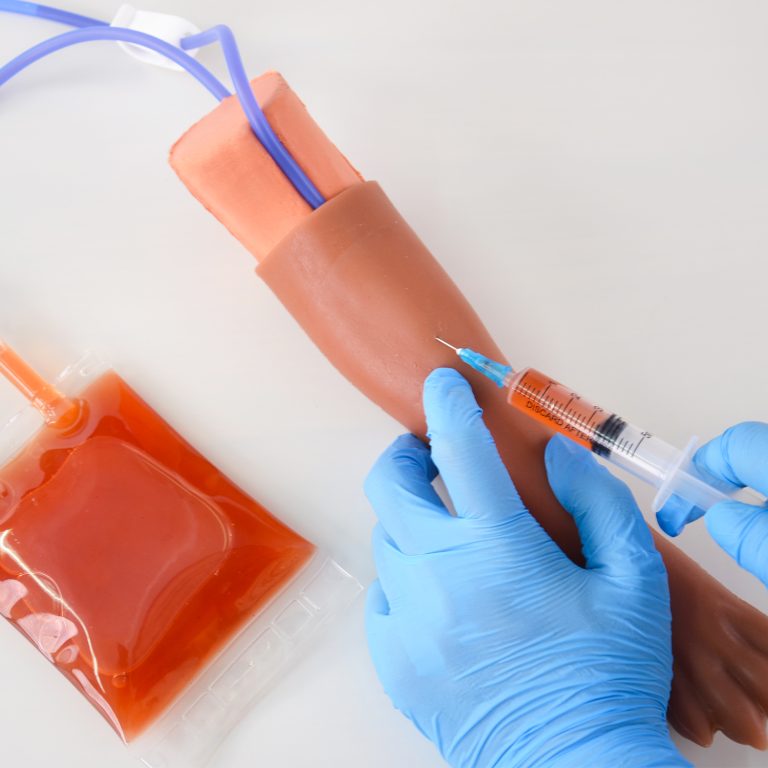
In the high-stakes world of tactical medicine and emergency trauma, there is a dangerous gap between “looking proficient” and “being effective.” Most practitioners are trained to pack a wound in well-lit classrooms, staring into a clean, dry silicone cavity.
But in a real-world junctional hemorrhage—whether in the axilla of a soldier or the groin of a canine officer—the visual field is the first thing to fail. When blood is pumping at a rate of 500mL per minute, you aren’t “seeing” the wound; you are fighting a fluid dynamic war.
To survive a junctional wound bleeding, we must shift the training paradigm from Visual Accuracy to Tactile Feedback.
1. The Critical Challenge of Junctional Wounds
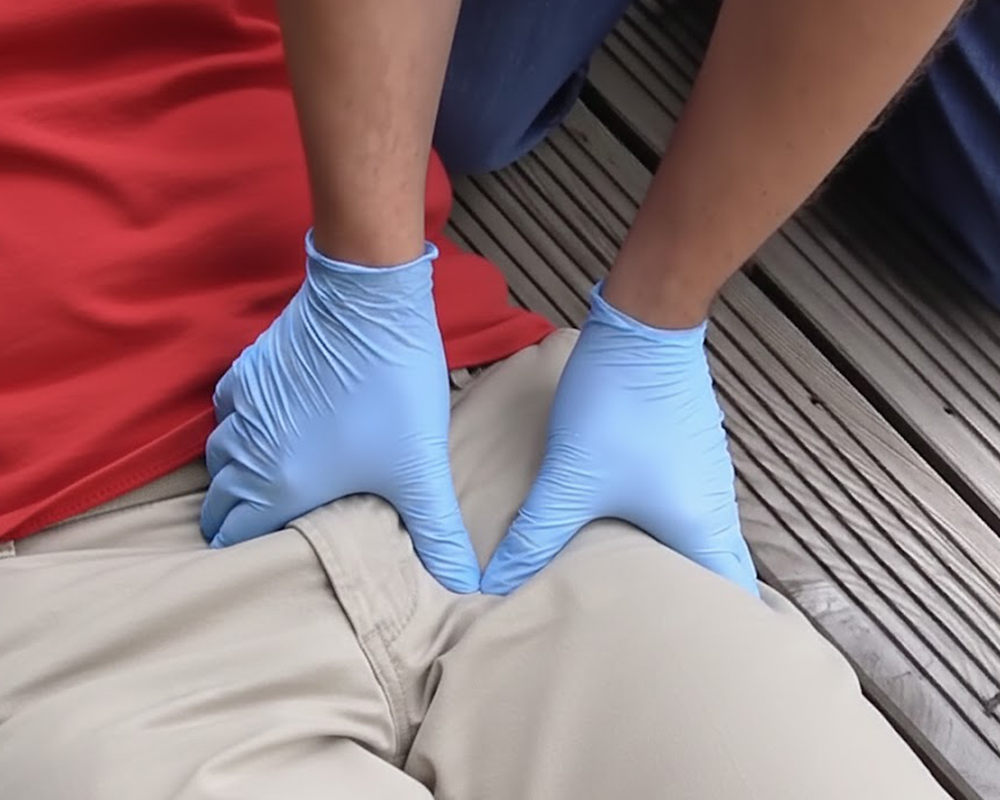
In emergency trauma, we are taught that the tourniquet is the ultimate lifesaver for limb injuries. However, there are “shadow zones” where a tourniquet simply cannot go: the axilla (armpit), the groin, and the base of the neck. These are Junctional Wounds.
Because there is no limb to wrap a tourniquet around, these injuries are among the most lethal. In these zones, Wound Packing is not just an option—it is the only way to stop a patient from bleeding out in minutes. To succeed here, you cannot rely on what you see; you must rely entirely on what your fingers feel.
2. The Danger of “Visual-Only” Training
Most beginners practice wound packing in a bright classroom. They look into a clean silicone wound and carefully place gauze. While this helps learn the steps, it creates a “visual crutch.”
The Problem: In a real emergency, blood flow is fast and messy. You will face a “red flood” that covers everything. If you are trained to rely on your eyes, you will panic when you can’t see the vessel.
The Solution: Effective training should focus on “Blind Packing.” You must learn to use your fingertips to palpate (feel) the anatomy, find the deep “void” where the bone and artery meet, and identify the source of the bleed by touch alone.
3. “Filling” is Not “Stopping”
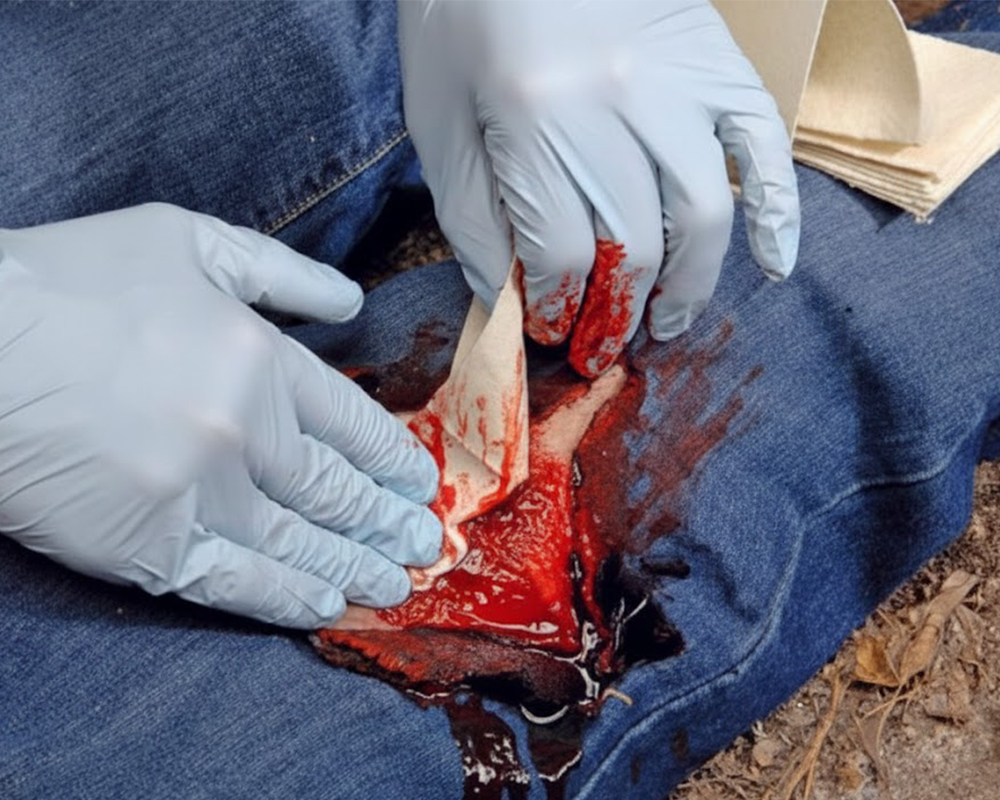
A common mistake for beginners is thinking that if the wound is full of gauze, the bleeding has stopped. But in junctional areas, if the gauze is not pressed firmly against the ruptured artery, the blood will simply pool underneath the packing, creating a hidden internal bleed.
- The Feeling of Resistance: You need to feel the “push back” of the artery. A high-quality wound packing trainer shouldn’t just be a hole in a block; it needs to have a pulse system.
- Tactile Confirmation: When you hit the right spot with your finger, you should feel the pressure of the simulated blood pushing against you. When you apply the gauze and press down, you should feel that pressure stop. This “pressure-on, flow-off” sensation is the only way to know you’ve succeeded.
4. Sensory Deprivation: The Ultimate Training Standard
True mastery in junctional hemorrhage control is achieved when a responder can pack a wound with their eyes closed. This is not a stunt; it is a tactical necessity.
By utilizing simulators with active pulsatile flow systems, instructors can force students to ignore what they see and focus entirely on:
- Digital Palpation: Locating the bone-artery interface by touch alone.
- The Resistance Threshold: Feeling the transition from “loose gauze” to “hemostatic plug.”
- Sustained Compression: Sensing the minor shifts in the patient’s body that could lead to a loss of arterial occlusion.
5. Key Takeaways: Mastering the Haptic Response
- Look Beyond Visuals: In a real-world junctional bleed, visibility is almost always zero due to rapid blood loss. Training must focus on digital palpation—using your fingers to “feel” for the arterial breach rather than looking for it.
- Identify the “Point of Convergence”: Successful wound packing requires finding the exact point where the artery meets the bone. If you don’t feel the “pulsatile push” against your fingertip, you haven’t reached the source.
- Manage Tissue Compliance: Real tissue has a specific “rebound” or elasticity. Effective training should teach you to feel the difference between the resistance of a muscle and the firm seal of a correctly packed artery.
- Overcome the Hydraulic Gap: Simply filling the wound volume is insufficient. You must create a mechanical plug that is dense enough to overcome the internal blood pressure, ensuring no “voids” are left for hidden bleeding to continue.
- Build “Blind” Muscle Memory: The gold standard of proficiency is the ability to successfully occlude a major junctional bleed based entirely on tactile feedback.
Visual vs. Haptic: Why Tactile Feedback Important in Trauma Training
| Feature | Visual-Based Training | Haptic-Based Training |
| Primary Goal | Learning the steps and anatomy appearance. | Building muscle memory and sensory intuition. |
| Real-World Reality | Fails when blood, darkness, or debris obscure the wound. | Remains effective even in “total blindness” scenarios. |
| Locating the Bleed | Looking for a visible hole or red color. | Feeling for the pulsatile pressure of the artery. |
| Pressure Control | Pressing until it “looks” packed. | Pressing until the arterial resistance is neutralized. |
| Tissue Realism | Usually static silicone; feels like plastic or rubber. | Mimics Tissue Compliance; feels like real muscle/fascia. |
| Feedback Loop | Relies on external observation by an instructor. | Self-correcting: If the pressure is wrong, the “blood” keeps flowing. |
6. Useful tools
Understanding the training needs for user to feel the pulsatile bleeding in simulation setting, Medtacedu makes sure all our training kits for junctional wound packing include manual or electric blood pump. For functional wound models we provide Hemorrhage Control Arm Simulator with Electric Pump and Lower Extremity Limb Wound Packing Trainer Kit. With these models, user can learn to feel for the arterial breach and not just the look at it.
Beside, we also provide some junctional wound models with simulated hard bone so user can learn to find the point where artery meets the bone.