
Sorry, but you do not have permission to view this content.
Similar Posts
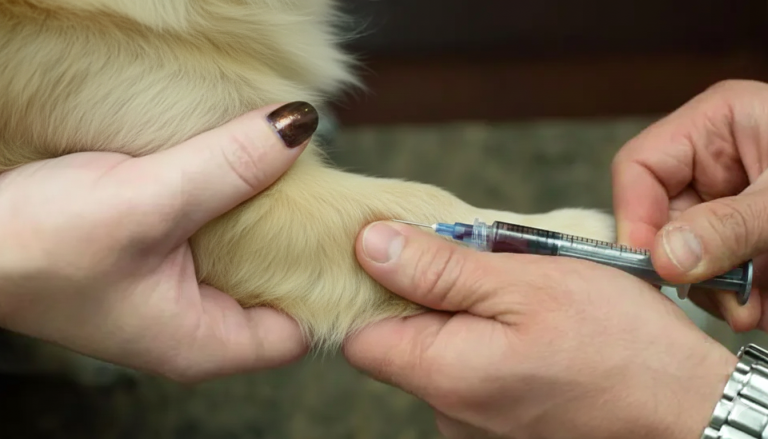
Canine Venipuncture: Guide to Best Practices for Blood Collection
Introduction: The Precision Behind the Sample In veterinary diagnostics, the integrity of a blood sample is the foundation of an accurate diagnosis. Venipuncture—the process of puncturing a vein to collect blood—is one of the most frequently performed procedures in a clinic. Yet, its frequency should never lead to complacency. A “difficult stick” does more than…
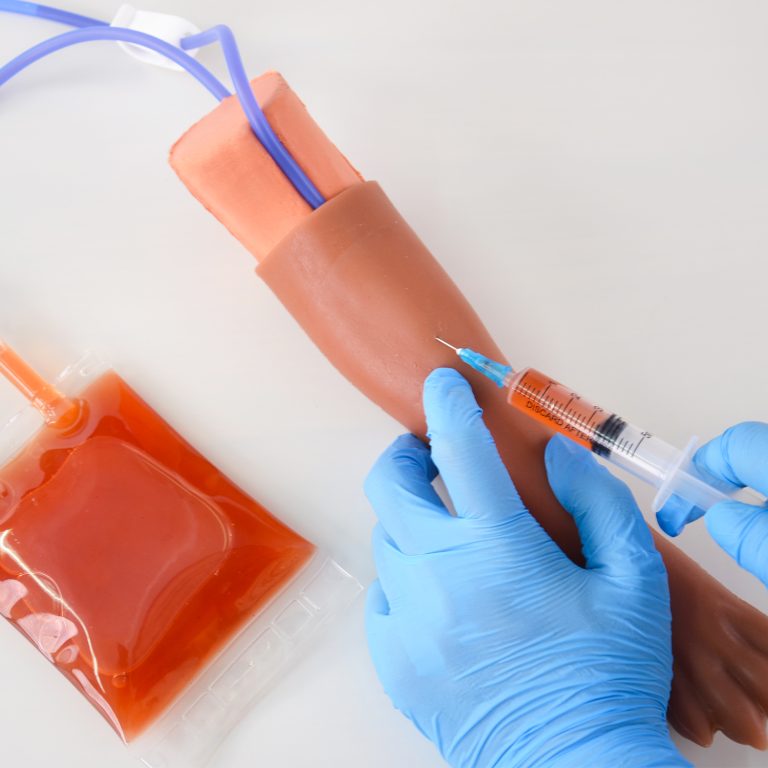
Master the Perfect Stick: How to Use Dog IV Training Leg
Introduction For veterinary students and technicians, the first time you hold a catheter over a live patient can be nerve-wracking. The pressure to succeed on the first attempt is immense—not just for your confidence, but for the animal’s comfort. This is where a Dog IV training leg becomes a game-changer. By building muscle memory in…
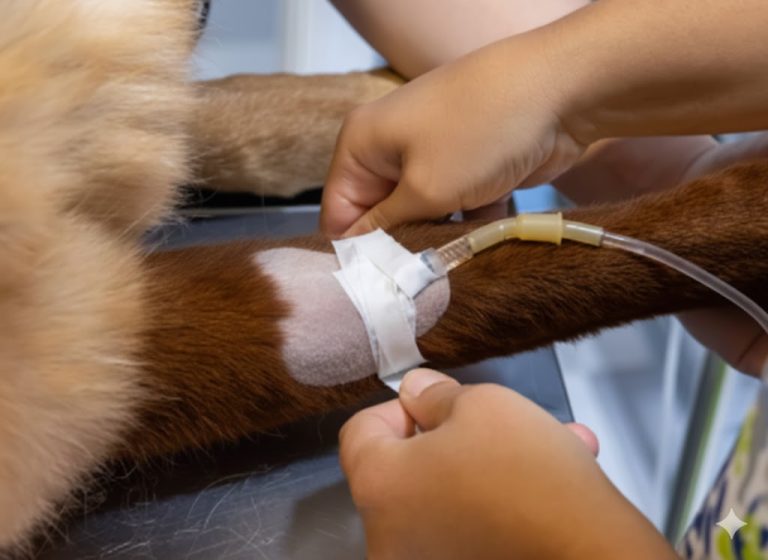
Step-by-Step Guide: How to Perform Canine Intravenous (IV) Catheterization
In veterinary medicine, the ability to perform a quick and successful canine intravenous (IV) catheterization is a cornerstone of clinical practice. Whether it’s for fluid therapy, medication administration, or emergency resuscitation, mastering this skill is essential for every veterinary student and technician. This guide serves as a deep dive into the technical, anatomical, and educational…