
Sorry, but you do not have permission to view this content.
Similar Posts
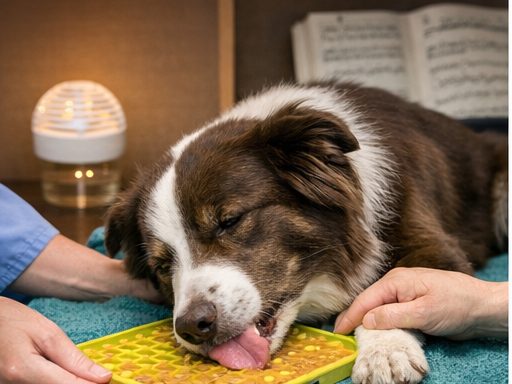
Fear-Free Dog IV: How to Place and Remove IV Catheters Without Stress
For many dogs, the thought of IV catheter placement and removal is one of the most stressful parts of a veterinary visit. Even friendly dogs can become anxious or fearful the moment clippers, alcohol, and restraint appear. This stress can cause struggling, missed attempts, and in some cases, long-term fear of veterinary visits. Fortunately, Fear-Free…
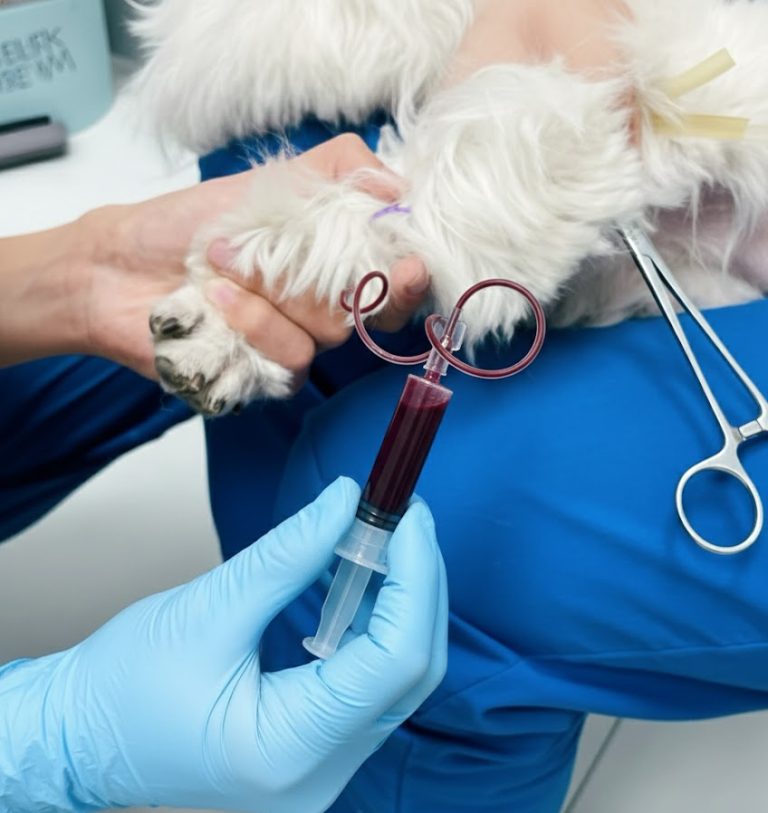
Improving Canine Blood Draw Skills with Training Models
Introduction Mastering canine blood draw is a vital skill for any veterinary professional. For beginners, using a Canine Blood Draw Model is a helpful way to practice technique and build confidence before working with live patients. This guide covers how these models support clinical training. 1. The Clinical Challenge: Why “Practice on the Job” is…