If you have a Pap smear test coming up, it’s normal to have questions — will it hurt, how long do results take, is bleeding afterwards normal, and how often do I even need one? This guide answers all of that in plain language, so you know exactly what to expect before, during, and after. It’s the patient companion to our clinical guide on how a Pap smear is performed.
This article is for general education and is not medical advice. Follow the guidance of your own doctor or clinic, whose recommendations may differ based on your health and country.
What Is a Pap Smear Test — and Why You Need One
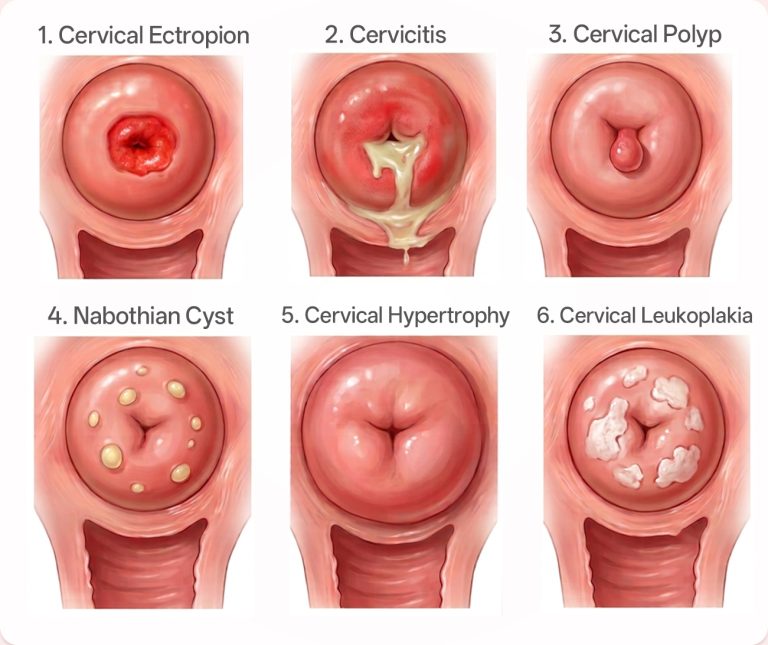
A Pap smear (or Pap test) is a quick screening test that collects a few cells from your cervix to check for early changes that could, over many years, develop into cervical cancer. Most of these changes are caused by HPV, a very common virus. Finding and monitoring changes early is what makes regular screening so effective at preventing cervical cancer — the test is about catching problems long before they become serious.
A Pap test screens; it does not diagnose cancer. An abnormal result almost always means small, treatable changes that need a closer look — not cancer.
How Often Should You Have a Pap Smear?
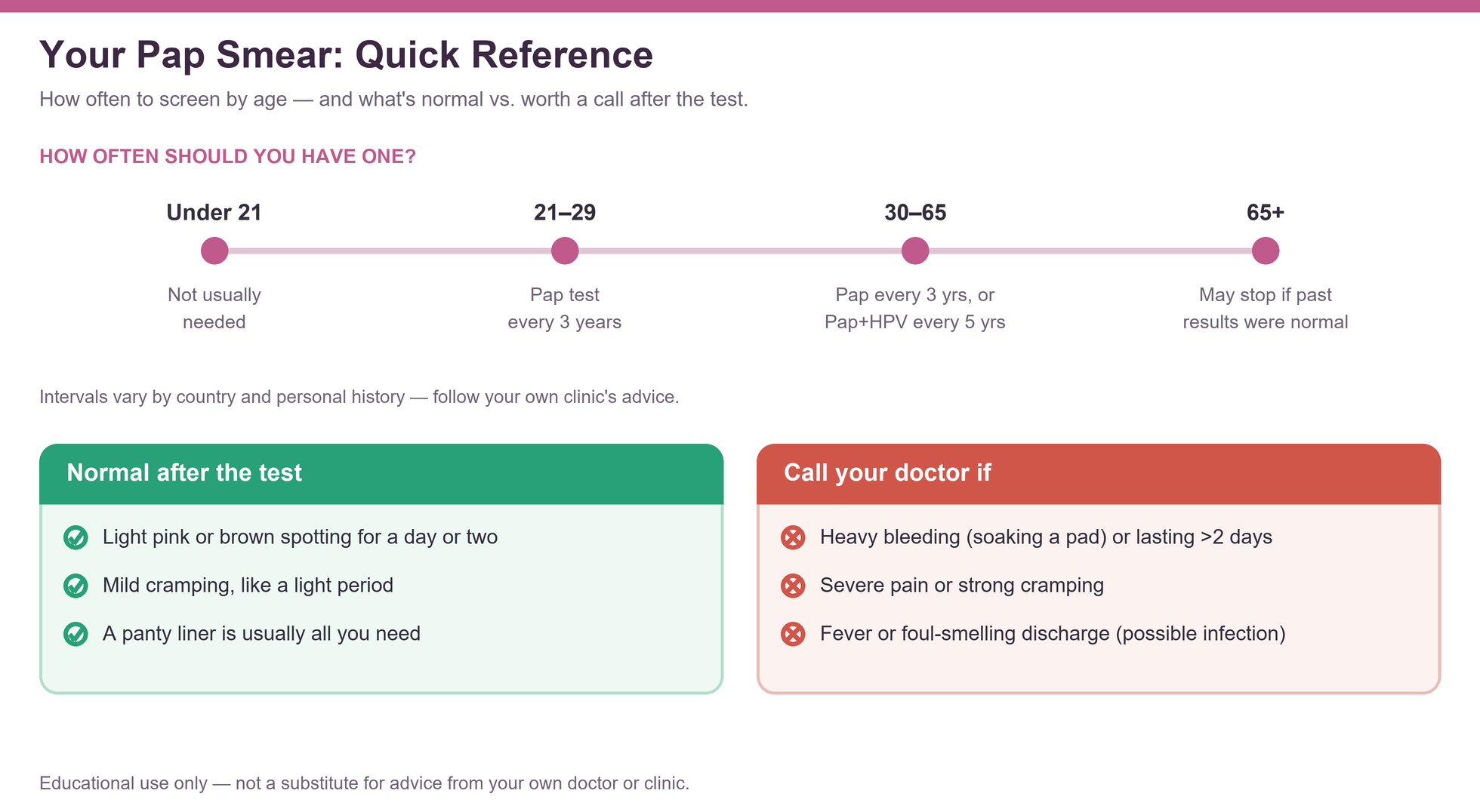
Screening intervals depend on your age and which test is used. A common guideline pattern is:
- Under 21: screening is generally not recommended.
- Ages 21–29: a Pap test about every 3 years.
- Ages 30–65: a Pap test every 3 years, or a Pap plus HPV test (“co-test”) or HPV test alone every 5 years.
- Over 65: screening can often stop if your previous results have been normal — your doctor will confirm.
These intervals vary by country and program, and your clinic may advise differently based on your history, so always go with your own provider’s recommendation.
How to Prepare for Your Pap Smear
A little timing makes for a more reliable sample:
- Try not to book it during your period — blood can affect the sample. A few days after bleeding stops is ideal.
- For about 48 hours before, avoid vaginal medicines, creams, douches, and sex, which can wash away or obscure cells.
- You do not need to fast, and you can usually carry on with your normal day before and after.
Does a Pap Smear Hurt?
For most people a Pap smear is uncomfortable rather than painful. You’ll feel pressure and maybe a brief pinch or scraping sensation when the sample is taken — it lasts only a few seconds. It is not meant to be sharply painful.
A few things make it easier:
- Take slow breaths and let your pelvic-floor muscles relax during the speculum insertion.
- Ask for a smaller speculum if you’re worried, or if you’ve had discomfort before.
- Tell the clinician if anything hurts — they can pause, reposition, or adjust. You’re always in control of the pace.
What to Expect During the Test
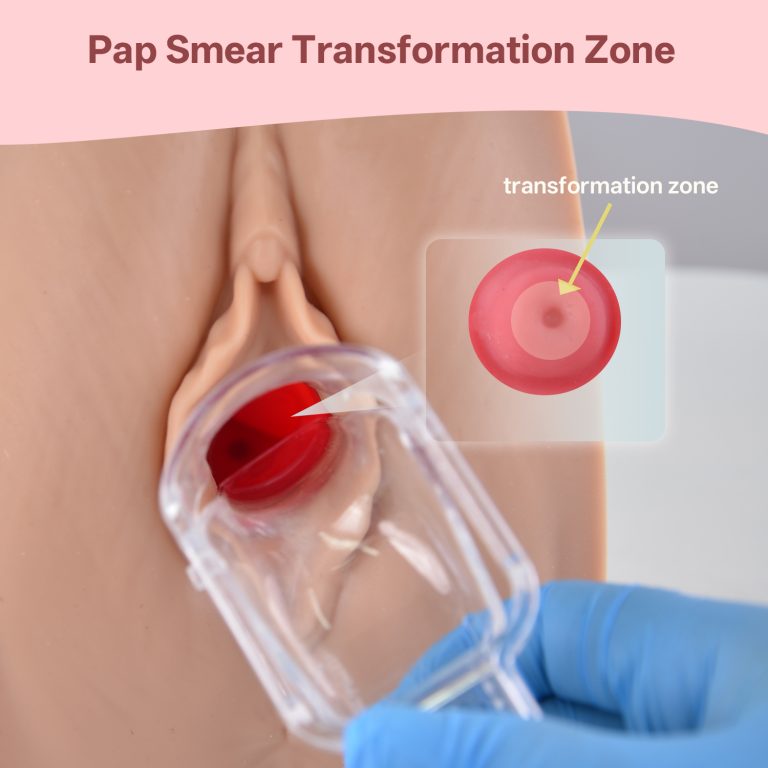
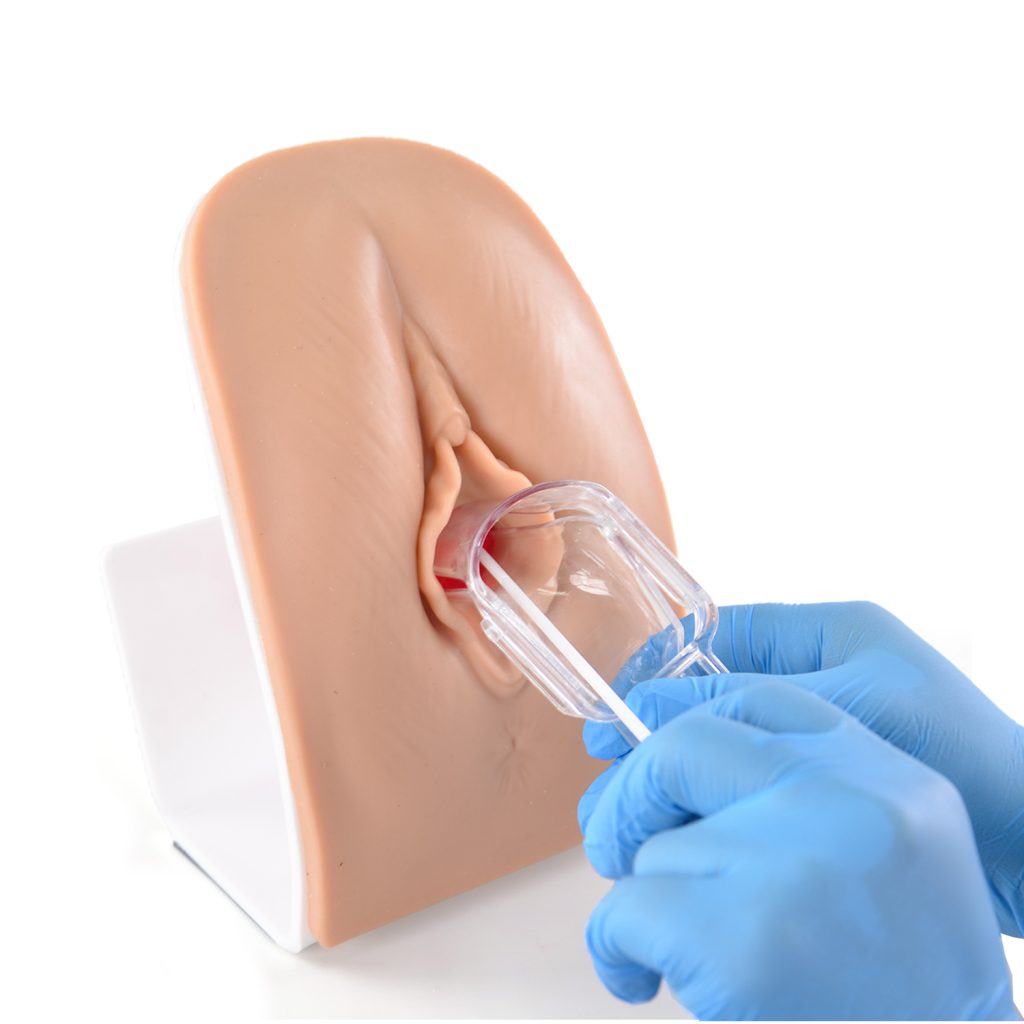
The whole appointment usually takes just a few minutes. You’ll lie back on the exam couch with your knees bent. The clinician gently inserts a speculum to see your cervix, then uses a small soft brush to collect cells — a sensation of pressure for a few seconds — and removes the speculum. That’s it. If you’d like to understand the clinical side in more detail, see our guide on how a Pap smear is performed.
Bleeding or Spotting After a Pap Smear
Light spotting or a little bleeding after a Pap smear is common and normal. Collecting the cells can slightly irritate the cervix, so you may notice some light pink or brown spotting for a day or two. Using a panty liner is usually all you need.
Contact your clinic, though, if you have:
- Heavy bleeding (soaking a pad), or bleeding that lasts more than a couple of days
- Bleeding with severe pain, fever, or a foul-smelling discharge, which can signal infection
How Long Do Results Take — and What Do They Mean?
Most results come back within about one to three weeks, depending on the lab and clinic. You’ll usually be contacted by letter, message, or a call. Results generally fall into a few categories:
- Normal (negative): no abnormal cells — carry on with routine screening.
- Unclear / unsatisfactory: the sample couldn’t be read clearly, so you’ll simply be asked to repeat the test.
- Abnormal: changes were found. This does not mean cancer. It usually reflects HPV or minor cell changes (you may see terms like ASCUS or LSIL), and your provider will recommend follow-up — often an HPV test, a repeat Pap, or a closer look at the cervix called colposcopy.
If you ever don’t understand a result, ask your clinic to explain what the next step is and why.
When to Call Your Doctor
Reach out to your provider if you have heavy or prolonged bleeding after the test, signs of infection (fever, severe pain, unusual discharge), or if you’re told you have an abnormal result and aren’t sure what the follow-up plan is. Acting on an abnormal result is what keeps screening protective.
Frequently Asked Questions (FAQ)
Do I need a Pap smear if I’ve never been sexually active?
Standard programs base screening on age, typically starting at 21. Because risk is linked to HPV exposure, some clinicians individualise this — so if you’ve never been sexually active, ask your provider what’s right for you.
Can I have a Pap smear while pregnant?
Yes. A Pap smear is considered safe during pregnancy and is often part of routine prenatal care. It does not harm the baby.
Do I still need Pap smears after menopause?
Yes — screening usually continues until around age 65, and only stops earlier if you have a history of normal results. Menopause itself doesn’t remove the need.
If I’ve had the HPV vaccine, do I still need screening?
Yes. The vaccine protects against the most dangerous HPV types but not all of them, so vaccinated people still need regular cervical screening.
Is a Pap test the same as an HPV test?
Not quite. A Pap test looks at the cervical cells; an HPV test looks for the virus that causes most cell changes. They’re often done together from the same sample (“co-testing”).
Sources
- American College of Obstetricians and Gynecologists (ACOG) — Cervical cancer screening
- U.S. Preventive Services Task Force (USPSTF) — Cervical cancer: screening
- Centers for Disease Control and Prevention (CDC) — Cervical cancer screening
- NHS — Cervical screening
- Mayo Clinic — Pap smear: what to expect and results
- American Cancer Society — The Pap (Papanicolaou) test
This article is for general education only and is not a substitute for advice from your own doctor or clinic. Screening recommendations vary by country and personal history.
🩺 Training Models for Clinics & Schools
Clinics and nursing programs use realistic models to teach gentle, accurate cervical sampling. Explore our Pap Smear Test Model and other Women’s & Reproductive Health training models.