|

Wound Packing Scenario Design: Laceration, Gunshot, Groin, and Bone-Exposed Injuries

A useful wound packing scenario changes more than the shape of the wound. It gives the learner a different access problem, decision, failure signal, or reassessment challenge. This guide shows instructors how to build five progressive stationsโ€”from a visible laceration cavity to a mixed scenarioโ€”without making the exercise unnecessarily complicated. Three Principles for Every Station…
10 Common Wound Packing Mistakes and How to Correct Them
|

10 Common Wound Packing Mistakes and How to Correct Them

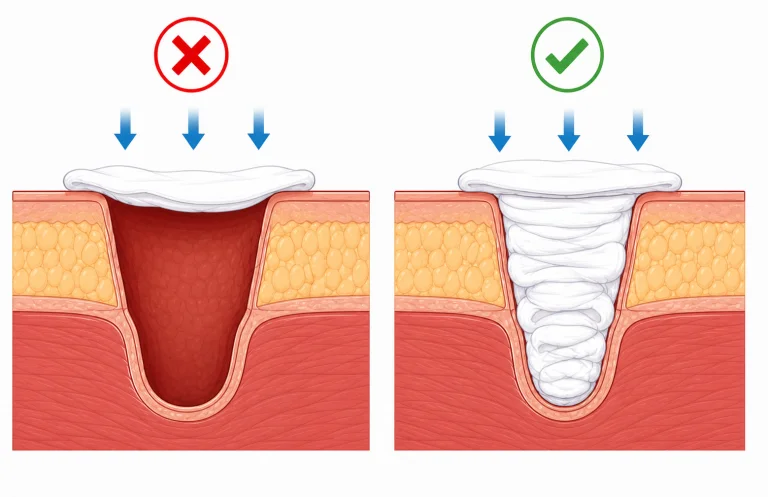
A wound can look packed and still be uncontrolled. This guide helps instructors recognize ten distinct failure patternsโ€”not ten variations of โ€œthe learner packed it wrong.โ€ By the end, you will be able to separate a poor method choice from a missed source, a loose fill, a pressure break, and a failed reassessment, then give…

|

Bleeding Control Training Checklist: 7 Steps for Instructors

Use this seven-step bleeding control training checklist to assess a complete response: make the scene safe and activate help; expose the wound; choose direct pressure, wound packing, or a limb tourniquet; perform the selected method; confirm that bleeding stopped; reassess the person; and give a clear handoff. This article is an educational framework, not a…

|

How to Stop Severe Bleeding: Direct Pressure, Packing, or Tourniquet?

For severe external bleeding, make sure the scene is safe, call emergency services, find the source, and apply steady, firm direct pressure. If life-threatening bleeding is from an arm or leg and is not controlled by pressureโ€”or pressure cannot be maintainedโ€”use a commercial tourniquet if available and you are trained. For an appropriate deep wound…

Types of Lacerations and Similar Wounds: Incision vs Avulsion, Abrasion, and Puncture
|

Types of Lacerations and Similar Wounds: Incision vs Avulsion, Abrasion, and Puncture

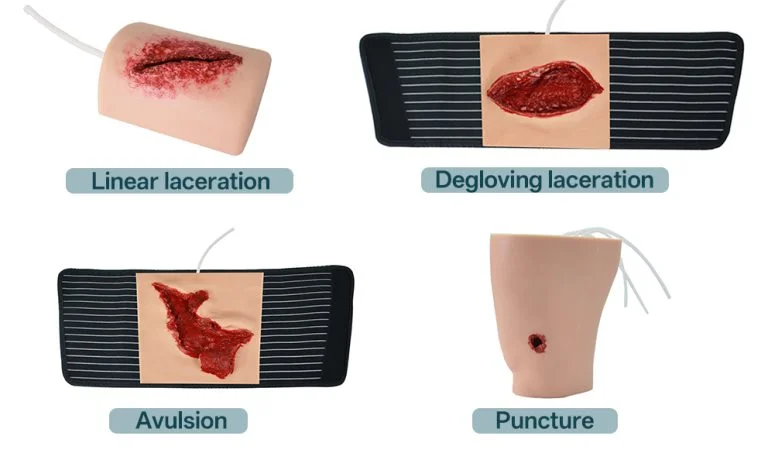
A laceration is a tear or split in soft tissue caused by trauma. Some lacerations are straight and clean-looking; others are jagged, crushed, contaminated, or attached to a skin flap. The visible opening is only part of the injury. The same wound may also involve blood vessels, nerves, tendons, joints, or bone. This guide explains…

The Haptic Blind Spot: Why Visual Training Fails in Junctional Wound Packing

The Haptic Blind Spot: Why Visual Training Fails in Junctional Wound Packing

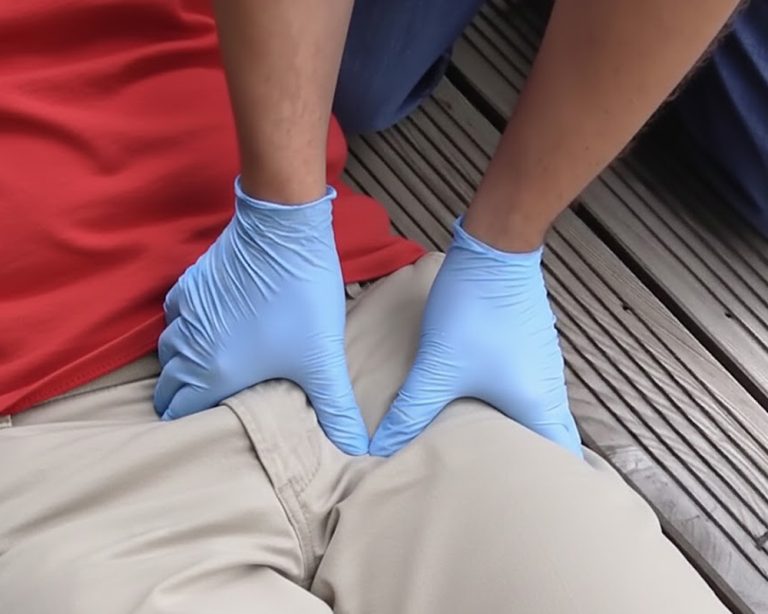
In the high-stakes world of tactical medicine and emergency trauma, there is a dangerous gap between “looking proficient” and “being effective.” Most practitioners are trained to pack a wound in well-lit classrooms, staring into a clean, dry silicone cavity. But in a real-world junctional hemorrhageโ€”whether in the axilla of a soldier or the groin of…

End of content

End of content