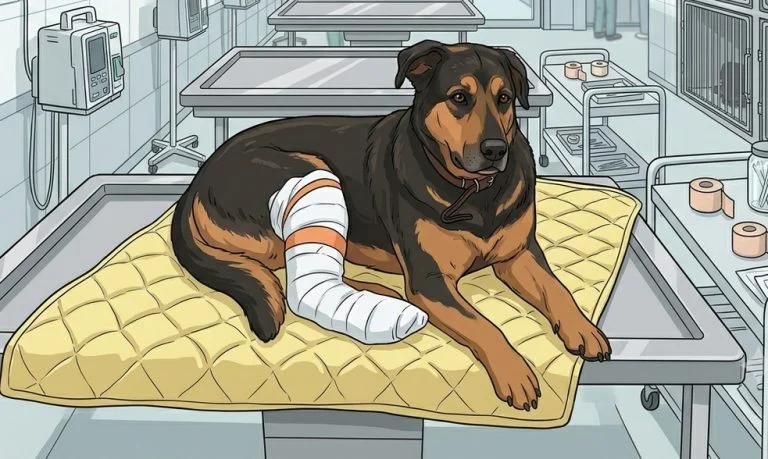
Dog Broken Leg: Fracture Types, Symptoms, and How to Tell
|

Dog Broken Leg: Fracture Types, Symptoms, and How to Tell

A dog that suddenly refuses to use one leg may have a fracture, but severe sprains, joint dislocations, torn ligaments, paw injuries, and neurologic problems can look similar. You cannot reliably confirm or rule out a broken bone by watching the dog walk or gently feeling the leg at home. A dog leg fracture —…
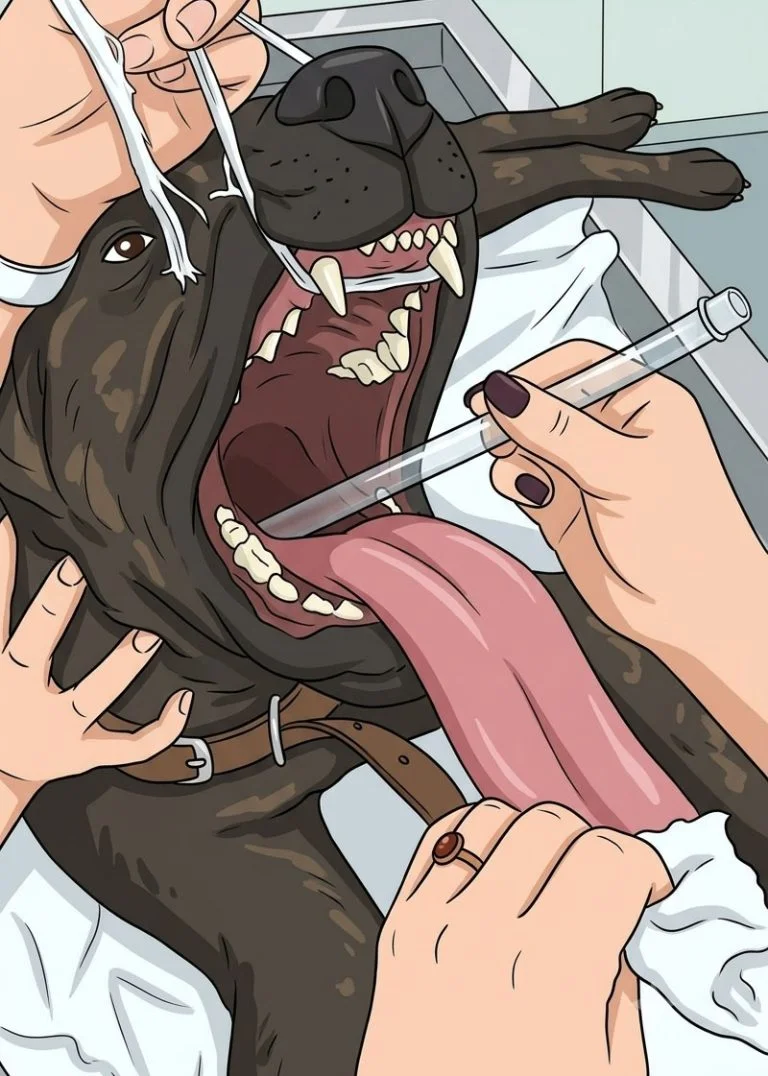
How to Intubate a Dog: A Step-by-Step Veterinary Guide
|

How to Intubate a Dog: A Step-by-Step Veterinary Guide

Canine intubation gives an anesthetized dog a patent airway, a route for oxygen and inhalant anesthetic, and a way to provide positive-pressure ventilation when needed. It can also reduce aspiration risk when the airway is no longer able to protect itself. It is not a procedure for an awake pet or an untrained owner. Intubation…

|

Difficult Canine Jugular Venipuncture: Failed Draws, Complications, and Special Patients

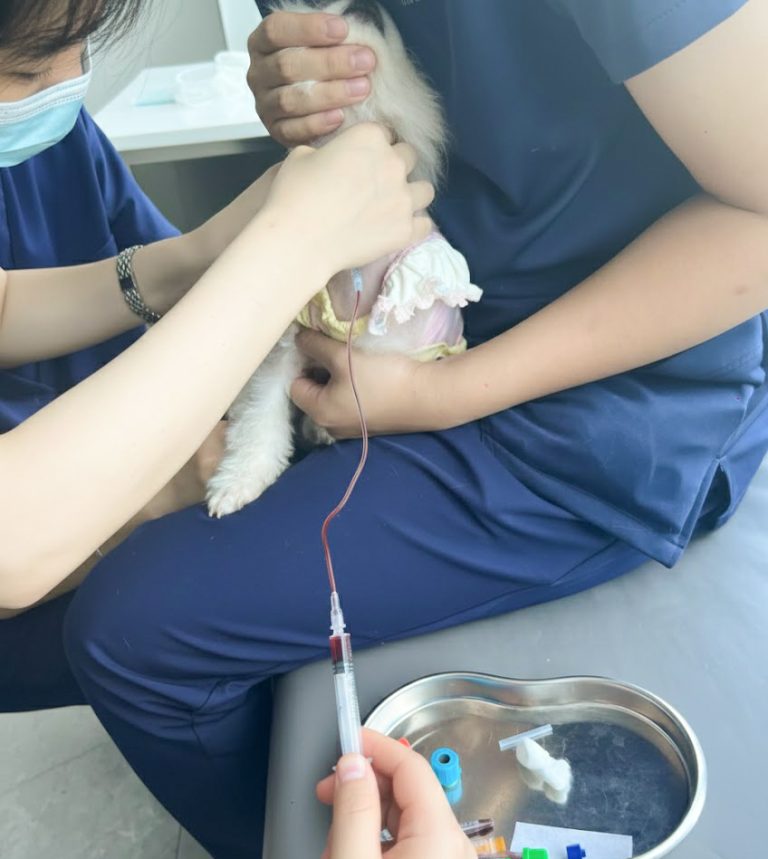
A difficult dog blood draw is rarely solved by pushing the needle farther or trying more times. Poor jugular filling, unstable restraint, patient movement, excessive syringe suction, partial needle placement, and an unsuitable collection system can all produce the same frustrating result: no blood, interrupted flow, a damaged sample, or a growing hematoma. This guide…

|

Dog Jugular Vein Phlebotomy: Positioning, Landmarks, and Step-by-Step Technique

The external jugular vein is a useful blood-collection site in dogs because it is large, has brisk flow, and can provide an adequate diagnostic sample without using a peripheral vein that may later be needed for an IV catheter. Those advantages only apply when patient selection, restraint, vessel occlusion, needle control, and post-draw pressure are…

Dog Injections: Subcutaneous (SC) vs. Intramuscular (IM) — A Practical Guide
|

Dog Injections: Subcutaneous (SC) vs. Intramuscular (IM) — A Practical Guide

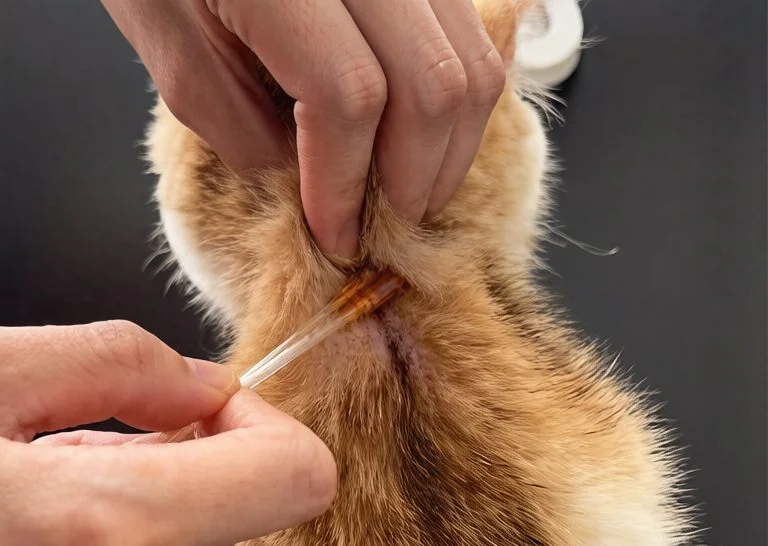
Clinically reviewed by Dr Ibrar Ahmed, DVM, PhD · August 2026 Many dogs need injections at some point — a diabetic dog requires daily insulin, an arthritic senior gets a monthly joint injection, and almost every dog receives vaccines. In day-to-day veterinary and at-home care, two routes do most of the work: subcutaneous (SC, under…

Subcutaneous Fluids for Dogs: A Home-Care Guide (How, How Much, and When)
|

Subcutaneous Fluids for Dogs: A Home-Care Guide (How, How Much, and When)

If your veterinarian has recommended giving your dog subcutaneous fluids at home, it can feel intimidating at first — but it is one of the most manageable and rewarding home-care skills an owner can learn. “Sub-Q” or “SC” fluids are a simple way to keep a dog hydrated when illness, kidney disease, or poor appetite…

Canine Venipuncture: Guide to Best Practices for Blood Collection

Canine Venipuncture: Guide to Best Practices for Blood Collection

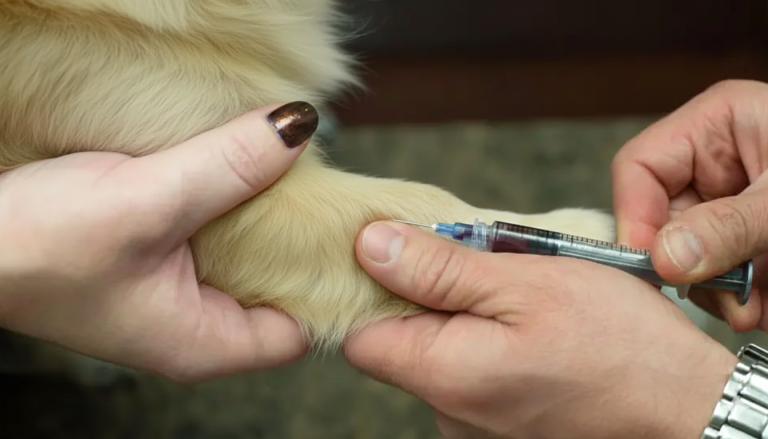
Introduction: The Precision Behind the Sample In veterinary diagnostics, the integrity of a blood sample is the foundation of an accurate diagnosis. Venipuncture—the process of puncturing a vein to collect blood—is one of the most frequently performed procedures in a clinic. Yet, its frequency should never lead to complacency. A “difficult stick” does more than…

Step-by-Step Guide: How to Perform Canine Intravenous (IV) Catheterization

Step-by-Step Guide: How to Perform Canine Intravenous (IV) Catheterization

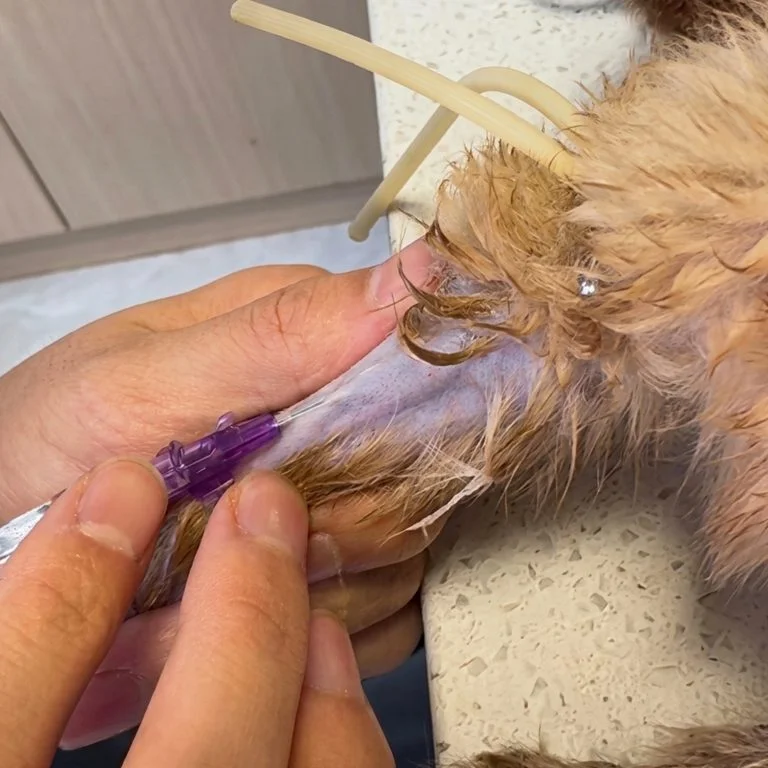
Clinically reviewed by Dr Ibrar Ahmed, DVM, PhD · August 2026 Placing a canine IV catheter quickly and cleanly is one of the defining skills of small-animal practice. Fluid therapy, anaesthesia, emergency drugs, blood products — almost every critical intervention depends on reliable venous access. Yet “get the catheter in” hides a stack of small…

End of content

End of content