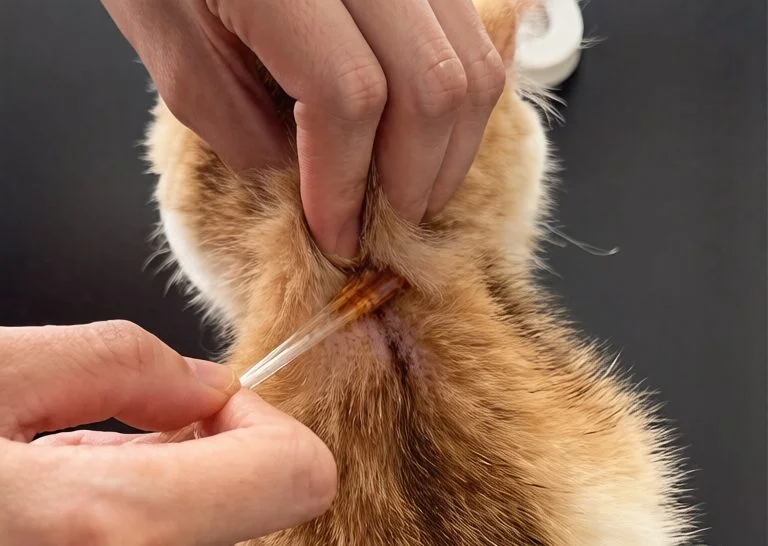
The dogs are finally separated, and your dog seems alert—but you find a small puncture under the fur. It may look minor, yet a bite can crush or tear tissue well below the skin and can injure the chest, abdomen, neck, joints, or internal organs. Calm first aid can reduce further harm, but it cannot show how deep the injury goes. Contact a veterinarian after any penetrating bite and seek emergency care for breathing trouble, heavy bleeding, collapse, severe pain, or wounds in high-risk locations.
Quick Answer
After a dog fight, protect yourself, separate and confine the dogs, check breathing and bleeding, apply steady pressure with clean gauze to active bleeding, and call a veterinarian. If a superficial wound is dirty and transport is delayed, gentle rinsing with clean water or sterile saline may be reasonable when your veterinarian advises it. Do not probe, scrub, glue, or close the wound; do not use hydrogen peroxide, alcohol, or human pain medicine. A small skin hole can hide deep contamination and crushing injury.
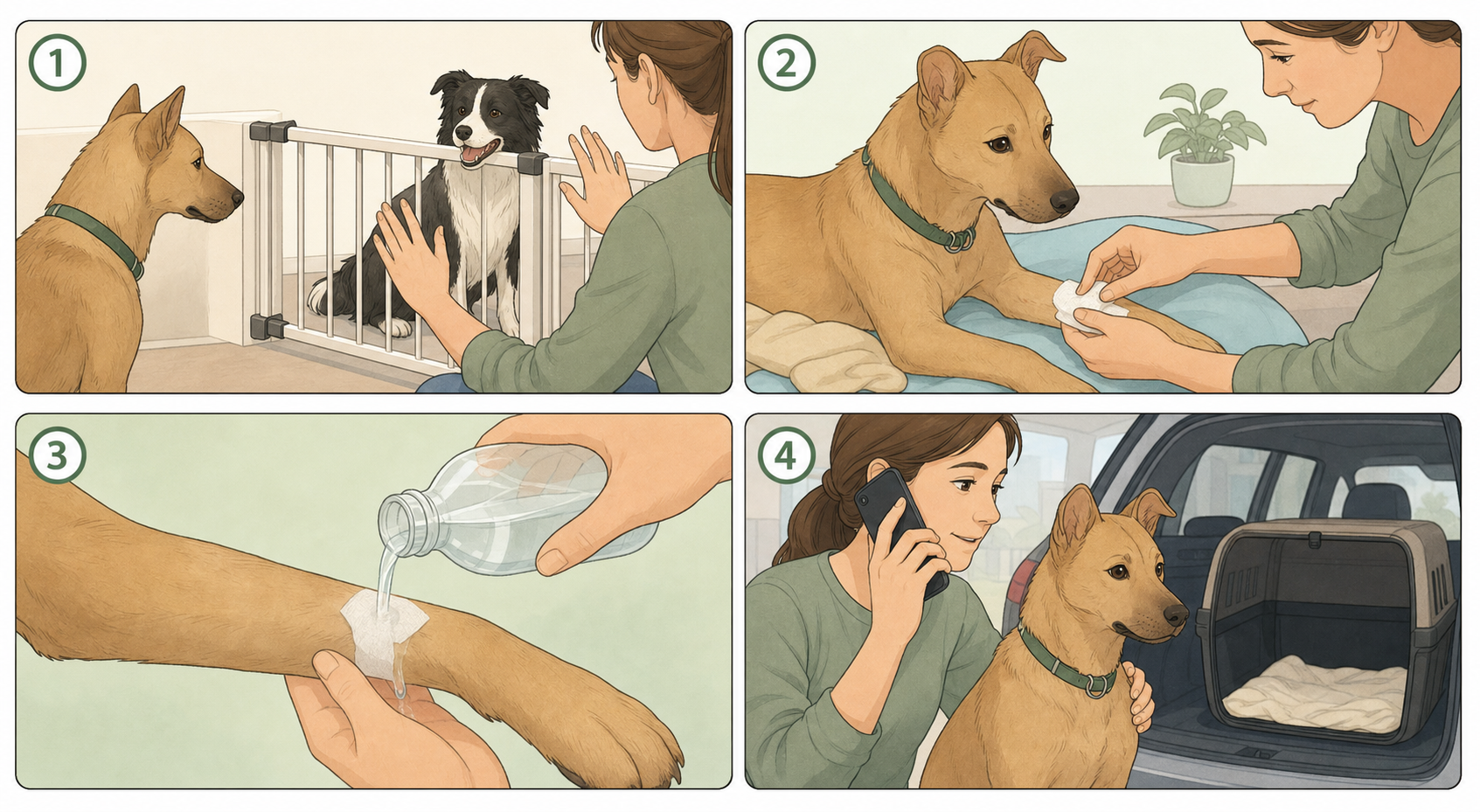
Figure 1. Safe first aid after a dog fight: separate the dogs with a solid barrier, apply steady direct pressure with clean gauze, rinse only a superficial wound when a veterinarian advises it, and call the clinic while preparing safe transport.
Why Dog Bite Wounds Can Look Smaller Than They Are
Canine teeth can create narrow punctures that close quickly at the surface. Underneath, pressure and movement may separate tissue layers, damage blood vessels, crush muscle, introduce bacteria, or penetrate a body cavity. Fur may hide bruising, swelling, and additional punctures.
The visible wound is therefore not a reliable measure of severity. Veterinary trauma references emphasize that attacks can cause deep neck, spinal, thoracic, and abdominal injury even when external damage appears limited. A large dog shaking a small dog, a bite over the chest, or a puncture near a joint deserves particular caution.
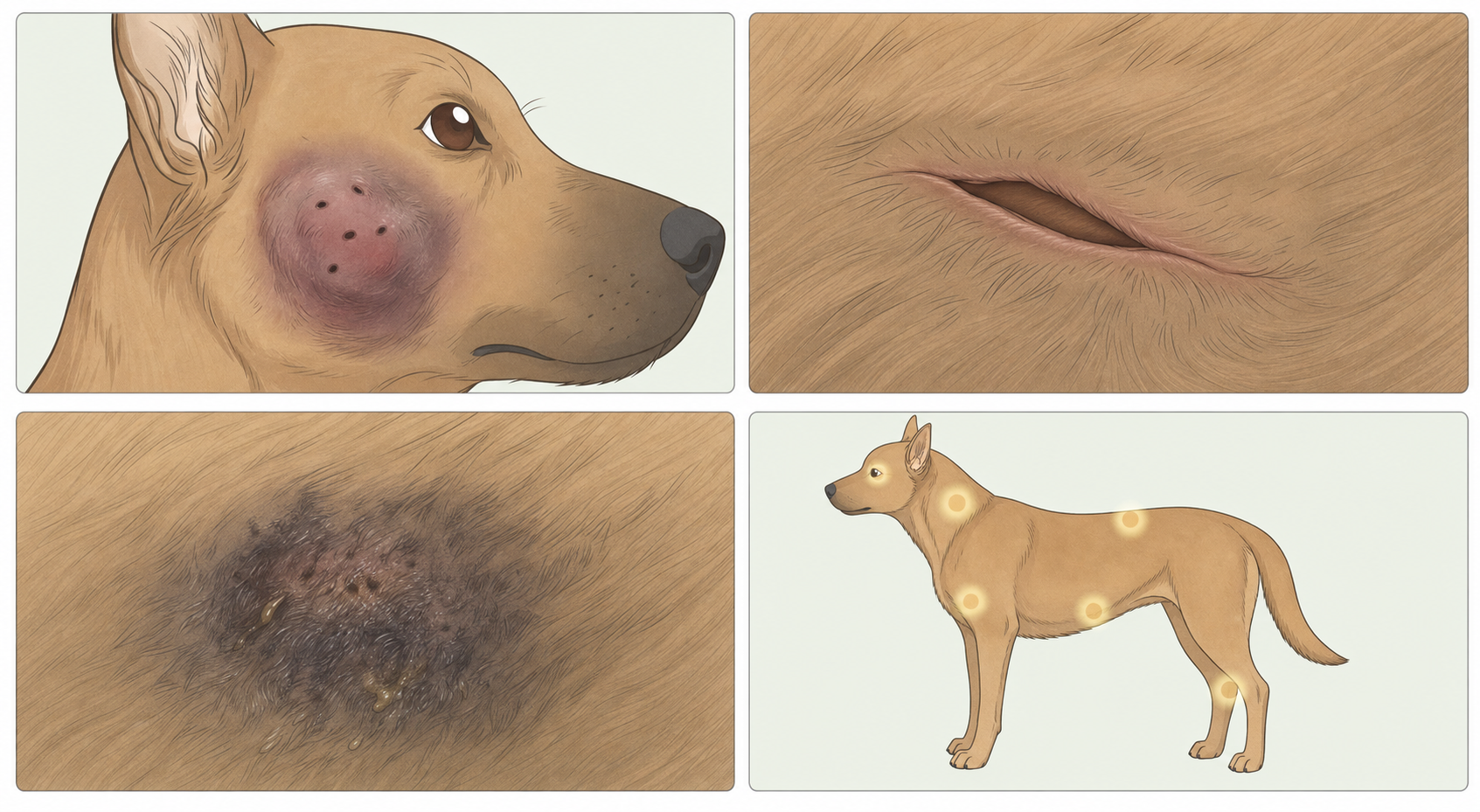
Figure 2. Warning signs that may indicate a serious bite injury include rapid swelling or widespread bruising around punctures, a deep or gaping wound, dark or crushed-looking tissue, persistent discharge, and wounds near the eye, neck, chest, abdomen, spine, or a joint. A small opening can still hide deeper damage.
Immediate First Aid After a Dog Fight
Step 1: Separate Safely and Prevent Another Attack
Do not place your hands between fighting dogs or reach near their mouths. Use a solid barrier and distance if this is safely possible, call for help, and follow local animal-control or emergency guidance. Once separated, move each dog into a different secure room, crate, vehicle, or fenced area.
Pain and fear can cause a normally gentle dog to bite. Approach slowly, keep your face away, and minimize handling. A muzzle may be unsafe for a dog with breathing difficulty, chest injury, vomiting, facial trauma, or a flat face; do not improvise one if it could impair breathing.
Step 2: Check Breathing, Responsiveness, and Bleeding
Look for normal chest movement and note whether breathing is labored, noisy, unusually fast, or shallow. Check whether the dog can stand and respond normally. Pale, gray, or blue gums; collapse; weakness; a swollen abdomen; or severe distress are emergency signs.
Perform only a quick scan for bleeding and obvious wounds. Do not delay transport to conduct a detailed examination on an unstable dog.
Step 3: Control Active Bleeding
Place clean gauze or a clean cloth over the bleeding area and apply steady direct pressure. Hold it continuously rather than repeatedly lifting it to check. If blood soaks through, add material on top without removing the first layer, because removal can disturb the forming clot.
Do not apply a tourniquet unless a veterinarian or emergency professional specifically directs you and you have been trained to do so. Do not pull out an embedded object; stabilize it as best you can and transport the dog.
Step 4: Call a Veterinarian and Transport Carefully
Tell the clinic:
- when the fight occurred;
- the approximate size difference between the dogs;
- whether shaking, crushing, or dragging occurred;
- where you can see wounds;
- whether breathing, walking, behavior, or gum color has changed; and
- whether the other dog and your dog have current rabies vaccination records.
Call while arranging transport. Keep the dog quiet and warm without overheating, restrict walking, and use a firm board or blanket as a stretcher if movement may worsen pain.
How to Check a Stable Dog Without Causing More Harm
Only after the dog is stable and you have contacted a veterinarian, visually inspect in good light. Part the fur gently and look for punctures, wet or matted hair, bruising, swelling, tenderness, or asymmetry. Check both sides of the body because teeth may leave paired wounds.
Do not:
- squeeze the wound to see what comes out;
- insert a finger, cotton swab, syringe tip, or instrument;
- shave close to an eye or an agitated dog;
- move a painful joint or neck repeatedly;
- assume walking normally rules out internal injury; or
- spend so long searching that veterinary care is delayed.
Can You Clean a Dog Bite Wound at Home?
Home cleaning is limited first aid, not definitive dog bite wound care. If the wound is superficial, bleeding is controlled, the dog is stable, and transport is delayed, your veterinarian may advise gentle irrigation with sterile saline or clean lukewarm water. Let the fluid flow over the surface without forceful pressure or scrubbing.
Avoid hydrogen peroxide and alcohol. They can damage viable tissue and delay healing. Do not pour strong antiseptics into a deep puncture, apply powder or unapproved ointment, or attempt to flush a chest, abdominal, eye, or joint wound.
After gentle surface rinsing, place a clean nonstick pad or loose clean covering over the area for transport if it will stay in place without pressure around the chest or neck. Prevent licking with an appropriately fitted recovery collar if this can be done safely.
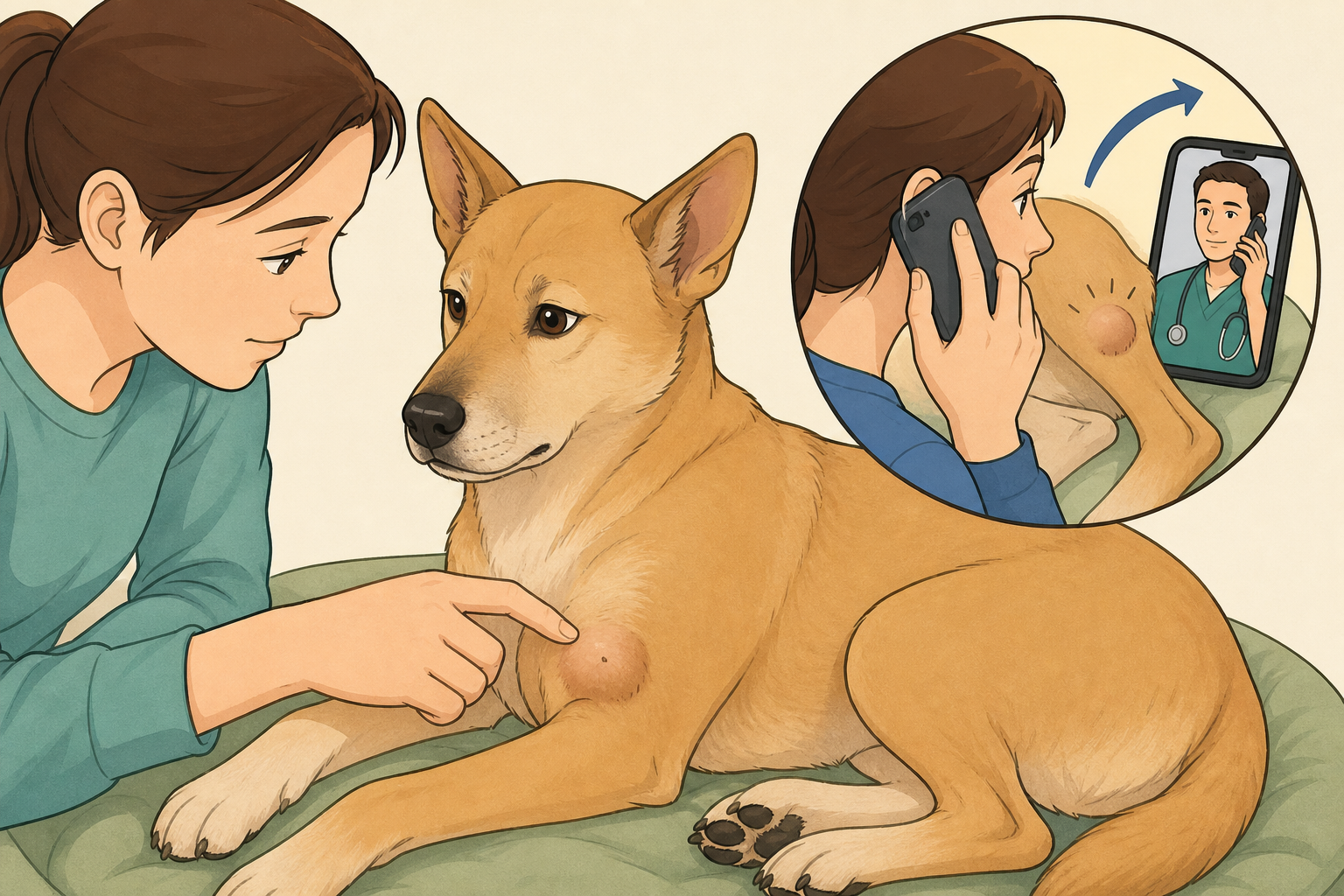
Figure 3. Monitor swelling without squeezing or probing the wound. Rapid expansion, heat, firmness, increasing pain, or discoloration warrants prompt veterinary advice.
What Not to Put on a Dog Bite Wound
Unless the treating veterinarian directs otherwise, do not use:
- hydrogen peroxide, rubbing alcohol, bleach, or household disinfectant;
- human antibiotic creams or numbing products;
- essential oils, herbal powders, or adhesive skin glue;
- butterfly closures, staples, or do-it-yourself sutures;
- tight wraps that impair circulation or breathing; or
- ibuprofen, naproxen, acetaminophen, aspirin, or another human pain medicine.
Some human medications can be toxic to dogs, and closing contaminated punctures at home may trap bacteria and damaged tissue inside.
When Is a Dog Bite an Emergency?
Go to an emergency veterinarian now if your dog has:
- difficulty breathing, open-mouth breathing at rest, or abnormal chest movement;
- uncontrolled or rapidly recurring bleeding;
- collapse, severe weakness, confusion, or inability to stand;
- pale, gray, or blue gums;
- wounds to the neck, chest, abdomen, eye, face, spine, or over a joint;
- a swollen or painful abdomen;
- a deep, gaping, crushed, or heavily contaminated wound;
- an embedded object or tissue protruding from a wound;
- loss of limb use, paralysis, or severe pain;
- repeated vomiting, coughing blood, or blood from the nose or mouth; or
- a major size mismatch, especially if the dog was lifted or shaken.
A retrospective study of dogs with thoracic bite trauma found that pneumothorax and rib fractures were important indicators of severe chest injury. Owners cannot exclude these injuries by looking at the skin.
Does Every Dog Bite Need a Vet?
Contact a veterinarian after any bite that breaks the skin. The clinic can triage whether the dog needs emergency, same-day, or closely scheduled examination based on location, depth, timing, size mismatch, and symptoms. Because punctures introduce bacteria and may seal at the surface, “wait until it looks infected” is not a safe default.
Even without a visible puncture, seek advice if the dog was shaken, crushed, pinned forcefully, or behaves abnormally afterward. Bruising and internal injury may develop before obvious swelling appears.
Provide accurate rabies vaccination information for both dogs when available. Rabies exposure requirements differ by location, vaccination status, ownership, and public-health rules; the veterinarian or local authority should guide next steps.
What a Veterinarian May Do
Treatment depends on the individual injury. The veterinary team may:
- stabilize breathing, circulation, temperature, and pain first;
- clip fur and examine the full wound pattern;
- use sedation or anesthesia for a safe, thorough assessment;
- obtain radiographs, ultrasound, blood tests, or other imaging;
- lavage the wound and remove devitalized tissue;
- place a drain or leave part of a contaminated wound open;
- close selected wounds immediately or later;
- prescribe veterinary pain relief; and
- decide whether antibiotics are appropriate based on depth, tissue involvement, contamination, systemic illness, and patient risk.
Antibiotics are not a substitute for examination, lavage, drainage, or debridement when those are needed. They should not be selected from leftover medication or shared between animals.
Home Care After Veterinary Treatment
Follow the discharge plan exactly. Give prescribed medication at the stated dose and time, complete an antibiotic course if one is prescribed, and prevent licking or chewing. Keep activity restricted for as long as the clinic recommends.
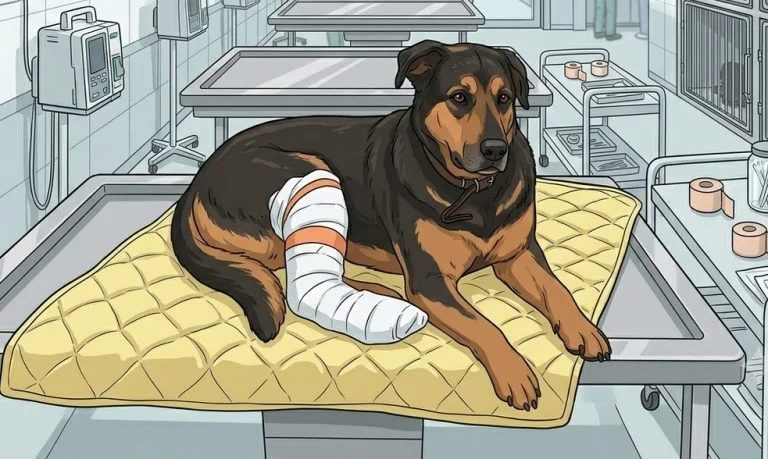
If a bandage is present, keep it clean and dry. Check exposed toes for swelling, coldness, discoloration, or odor, and never tighten or replace a complex bandage unless instructed. Do not push a drain back in if it moves or falls out.
Contact the clinic if you notice:
- increasing swelling, redness, heat, pain, or bruising;
- pus, foul odor, persistent bleeding, or rapidly increasing discharge;
- wound edges opening;
- fever, marked tiredness, reduced appetite, vomiting, or behavior change;
- new lameness, weakness, coughing, or breathing change; or
- a slipped, wet, tight, or damaged bandage.
Keep scheduled rechecks even if the surface looks better. Deeper tissue may need monitoring after the skin begins to close.
Preventing Another Fight During Recovery
Keep the dogs fully separated while pain, medication, arousal, and the cause of the conflict are being assessed. Use doors, gates, crates, and separate routines; do not rely on supervision alone. Remove guarded resources and avoid an immediate reunion to test whether the dogs are “over it.”
Before reintroduction, address pain and medical problems and consult an appropriately qualified reward-based behavior professional when conflict was serious, repeated, or difficult to explain.
To lower the risk of a first fight, especially for small dogs, puppies, and senior dogs, see Small Dog Attacked by a Big Dog: How to Protect Small Dogs, Puppies, and Senior Dogs.
Conclusion
The safest home response to a dog bite is brief, calm first aid followed by veterinary triage. Separate without putting yourself between the dogs, check vital warning signs, control bleeding with direct pressure, and avoid probing or harsh chemicals. Because the skin can hide deep trauma, contact a veterinarian after any penetrating bite and escalate immediately for breathing changes, shock, severe bleeding, high-risk locations, or a major size mismatch.
Frequently Asked Questions
Can a dog bite wound heal on its own?
The surface may close while contamination, fluid, or damaged tissue remains underneath. A veterinarian should assess any bite that breaks the skin and determine whether cleaning, drainage, imaging, medication, or monitoring is needed.
Does swelling mean a dog bite wound is serious, and what wound shapes are concerning?
Swelling does not measure severity by itself, but new, rapid, expanding, firm, hot, painful, or discolored swelling after a bite is concerning and warrants prompt veterinary advice. A wound is also more urgent when it is deep or gaping; has crushed, dark, pale, or detached tissue; continues to bleed; drains fluid or has a foul odor; contains an embedded object; forms multiple punctures over a wider bruised area; or lies over the neck, chest, abdomen, eye, spine, or a joint. A tiny puncture can still hide deep trauma, so a small opening is not proof of a minor injury.
Can my dog eat before the veterinary visit?
Ask the clinic. Sedation, anesthesia, or surgery may be needed, so the veterinarian may recommend withholding food. Do not withhold water or food from a very young, diabetic, or medically fragile dog without professional guidance.
Sources
- Merck Veterinary Manual. Wound Management.
- Merck Veterinary Manual. Management of Specific Wounds in Small Animals.
- Merck Veterinary Manual. Trauma in Emergency Medicine in Small Animals.
- Merck Veterinary Manual. What to Do in a Dog or Cat Emergency.
- American Veterinary Medical Association. Pet First Aid: Basic Procedures.
- Scheepens ETF, et al. Thoracic dog bite wounds in dogs: a retrospective study of 123 cases.
- Kolata RJ, et al. Clinical characteristics and antimicrobial use in dog-to-dog bite wounds.
Medical disclaimer: This article is for general education and is not a diagnosis or a substitute for veterinary examination. If your dog has trouble breathing, severe bleeding, collapse, pale or blue gums, major pain, or a neck, chest, abdominal, eye, or deep wound, seek emergency veterinary care.
Training Resources
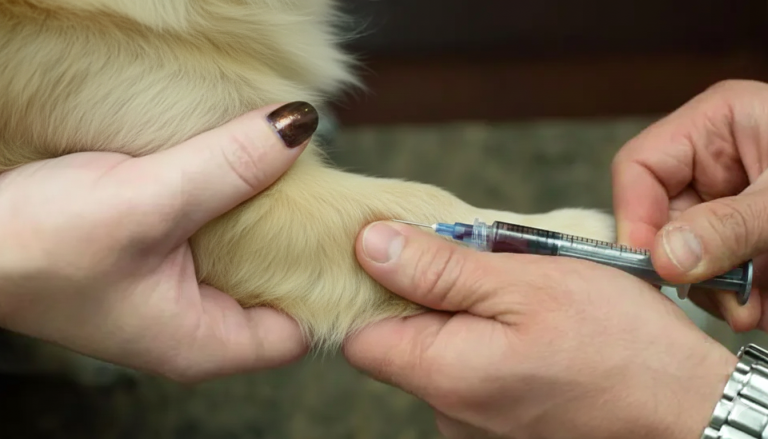
Veterinary learners can practice calm canine positioning, limb handling, dressing placement, and bandage monitoring under qualified supervision with MEDTACEDU’s Dog IV Practice Kit. It is not a dog-bite treatment simulator and does not replace wound-management instruction, supervised clinical training, or veterinary judgment.