Pressure Injury Warning Signs: How to Spot a Bedsore Early (Including on Darker Skin)

Pressure Injury Warning Signs: How to Spot a Bedsore Early (Including on Darker Skin)

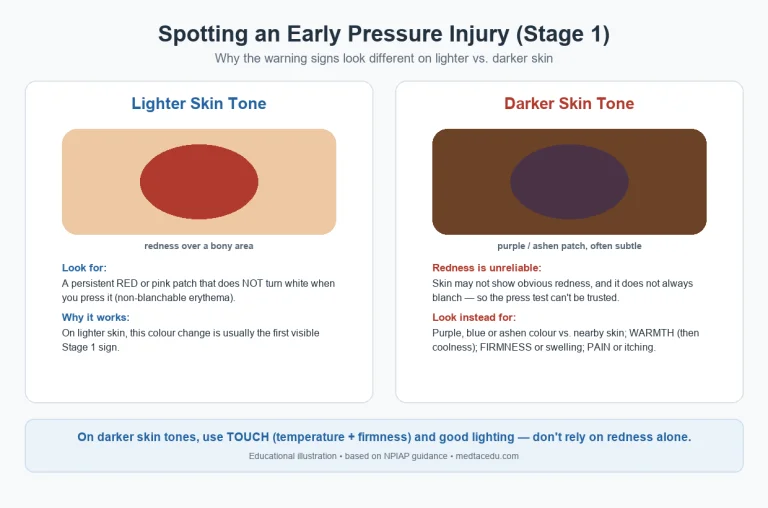
If you care for someone who is bedridden, uses a wheelchair, or has limited mobility, learning to recognize a pressure injury (also called a bedsore or pressure ulcer) early can prevent weeks of pain and serious complications. A pressure injury is not a minor skin problem—once the skin breaks down it can quickly progress to…

Nursing Care Guidelines for Pressure Ulcer Stages

Pressure ulcers — also called bedsores or pressure injuries — are localized damage to the skin and underlying tissue caused by sustained pressure over a bony prominence. For clinical staff, the work comes down to three things this guide focuses on: assessing risk, staging accurately, and matching the right treatment to each stage. Getting the…

Vallecula: The Key Anatomical Landmark Between the Tongue and Epiglottis

Vallecula: The Key Anatomical Landmark Between the Tongue and Epiglottis

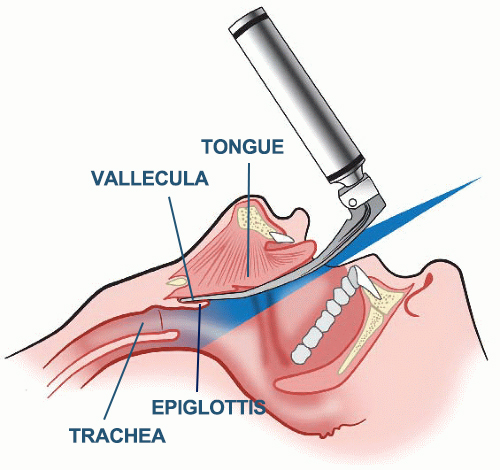
In the intricate anatomy of the human throat, a small, V-shaped depression plays an outsized role in keeping us safe every time we swallow and is a critical guide for life-saving medical procedures. This structure is called the vallecula. Understanding the vallecula is essential for healthcare professionals, particularly those involved in airway management like anesthesiologists,…

What is the difference between Internal Medicine and Surgery?

When people face health concerns, one of the most common questions is: should I see an internal medicine doctor or a surgeon? Both are highlytrained specialists, but their approaches and areas of expertise are quite different. Internal medicine focuses on diagnosing and treating diseases without surgery, while surgery involves operative interventions to repair, remove, or…

End of content

End of content