Ingrown Toenail: Causes, Symptoms, and How to Treat It at Home (and When to See a Doctor)

Ingrown Toenail: Causes, Symptoms, and How to Treat It at Home (and When to See a Doctor)

An ingrown toenail happens when the edge of a nail — almost always the big toe — grows into the soft skin beside it, causing pain, redness, and swelling. Most early ingrown toenails can be eased at home, but some need a doctor, and a few should never be self-treated at all. This guide explains…

PEG Tube Placement & G-Tube Care: Feeding, Site Care, Replacement & Troubleshooting

PEG Tube Placement & G-Tube Care: Feeding, Site Care, Replacement & Troubleshooting

Once a gastrostomy tube is in place, most of the day-to-day work is care: feeding through it, keeping the stoma site healthy, and knowing what to do when something goes wrong. This guide walks through how a PEG tube is placed, how to care for the stoma and feed safely, how the tube is replaced,…

What Is a Gastrostomy (G) Tube? Types, PEG vs Surgical, and How It Compares to NG & GJ Tubes

What Is a Gastrostomy (G) Tube? Types, PEG vs Surgical, and How It Compares to NG & GJ Tubes

A gastrostomy tube — most people just call it a G tube — is a soft feeding tube placed directly into the stomach through a small opening in the abdominal wall. When someone cannot safely eat or drink enough by mouth, a G tube delivers nutrition, fluids, and medication straight to where the body can…

Common Endotracheal Intubation Barriers
|

Common Endotracheal Intubation Barriers

Learning to intubate is a journey that is easier for some than for others. Regardless of how well you understand the theory of the technique, as a novice, you may struggle to bring all the elements together to successfully pass the endotracheal tube. The anatomy can be confusing, and understanding how to physically manipulate that…

Dog Injections: Subcutaneous (SC) vs. Intramuscular (IM) — A Practical Guide
|

Dog Injections: Subcutaneous (SC) vs. Intramuscular (IM) — A Practical Guide

Many dogs need injections at some point — a diabetic dog requires daily insulin, an arthritic senior gets a monthly joint injection, and almost every dog receives vaccines. In day-to-day veterinary and at-home care, two routes do most of the work: subcutaneous (SC, under the skin) and intramuscular (IM, into the muscle). This guide explains…

Orthognathic Surgery: Redefining the Bony Foundation of Facial Aesthetics
|

Orthognathic Surgery: Redefining the Bony Foundation of Facial Aesthetics

Introduction: The Evolution of the Maxillofacial Scope The contemporary practice of oral and maxillofacial surgery (OMS) has undergone a profound transformation, shifting from a focus on localized dentoalveolar procedures to a comprehensive “Total Face” approach. This expansion was professionally anchored by the American Dental Association’s (ADA) decision to redefine the scope of dentistry, moving beyond…

Oral and Maxillofacial Surgeons as Cosmetic Surgeons
|

Oral and Maxillofacial Surgeons as Cosmetic Surgeons

Facial cosmetic surgery is becoming a massive part of modern Oral and Maxillofacial Surgery (OMS) practice. Today, it’s not just about fixing a jaw; it’s about the overall look of the face, jaw, and neck. This shift started when the American Dental Association changed the definition of dentistry. It moved from just “teeth and surrounding…

How to Perform Needle Chest Decompression with Improvised Tools
|

How to Perform Needle Chest Decompression with Improvised Tools

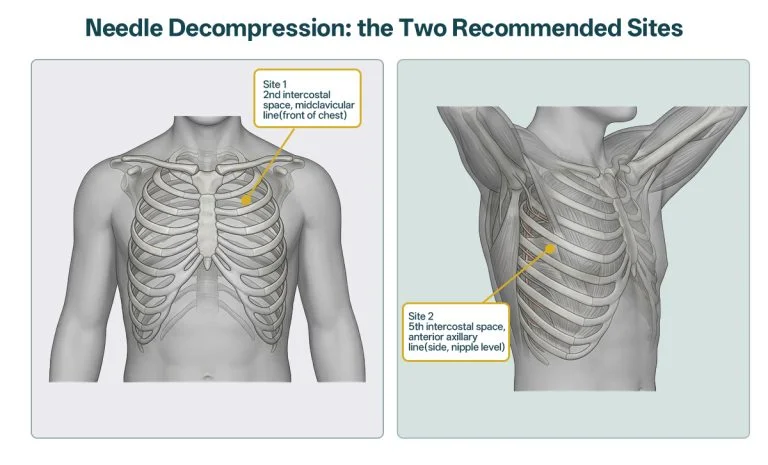
In the high-stakes climax of Mission: Impossible – The Final Reckoning, Benji Dunn, Ethan’s loyal tech genius, lies wounded after a brutal exchange. His breathing is ragged, his chest is visibly distended, and despite his gasps, no air is reaching his lungs. Recognizing the lethal signs of a tension pneumothorax, Benji looks to his teammate,…

Subcutaneous Fluids for Dogs: A Home-Care Guide (How, How Much, and When)
|

Subcutaneous Fluids for Dogs: A Home-Care Guide (How, How Much, and When)

If your veterinarian has recommended giving your dog subcutaneous fluids at home, it can feel intimidating at first — but it is one of the most manageable and rewarding home-care skills an owner can learn. “Sub-Q” or “SC” fluids are a simple way to keep a dog hydrated when illness, kidney disease, or poor appetite…

End of content

End of content