|

Bleeding Control Training Checklist: 7 Steps for Instructors

Use this seven-step bleeding control training checklist to assess a complete response: make the scene safe and activate help; expose the wound; choose direct pressure, wound packing, or a limb tourniquet; perform the selected method; confirm that bleeding stopped; reassess the person; and give a clear handoff. This article is an educational framework, not a…
|

How to Stop Severe Bleeding: Direct Pressure, Packing, or Tourniquet?

For severe external bleeding, make sure the scene is safe, call emergency services, find the source, and apply steady, firm direct pressure. If life-threatening bleeding is from an arm or leg and is not controlled by pressure—or pressure cannot be maintained—use a commercial tourniquet if available and you are trained. For an appropriate deep wound…

Dog Bite Wound Care After a Dog Fight: First Aid and When to See a Vet
|

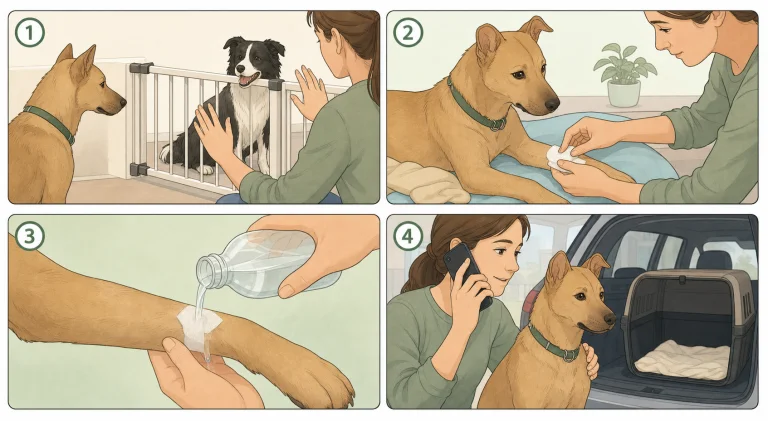
Dog Bite Wound Care After a Dog Fight: First Aid and When to See a Vet

The dogs are finally separated, and your dog seems alert—but you find a small puncture under the fur. It may look minor, yet a bite can crush or tear tissue well below the skin and can injure the chest, abdomen, neck, joints, or internal organs. Calm first aid can reduce further harm, but it cannot…

Dog Broken Leg: Fracture Types, Symptoms, and How to Tell
|

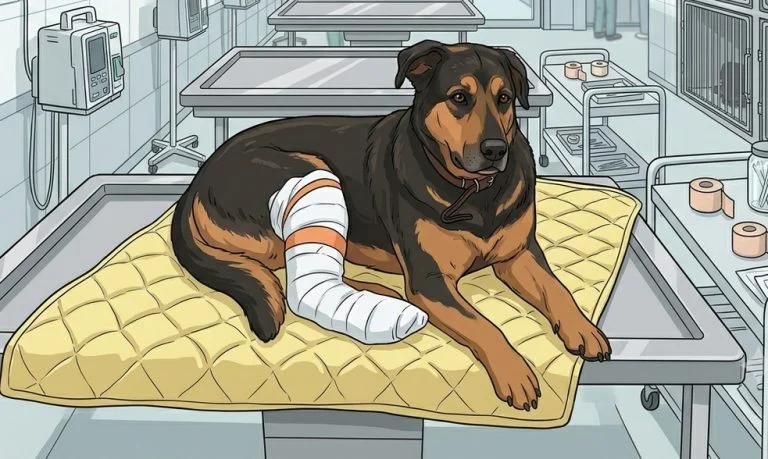
Dog Broken Leg: Fracture Types, Symptoms, and How to Tell

A dog that suddenly refuses to use one leg may have a fracture, but severe sprains, joint dislocations, torn ligaments, paw injuries, and neurologic problems can look similar. You cannot reliably confirm or rule out a broken bone by watching the dog walk or gently feeling the leg at home. A dog leg fracture —…

How to Intubate a Dog: A Step-by-Step Veterinary Guide
|

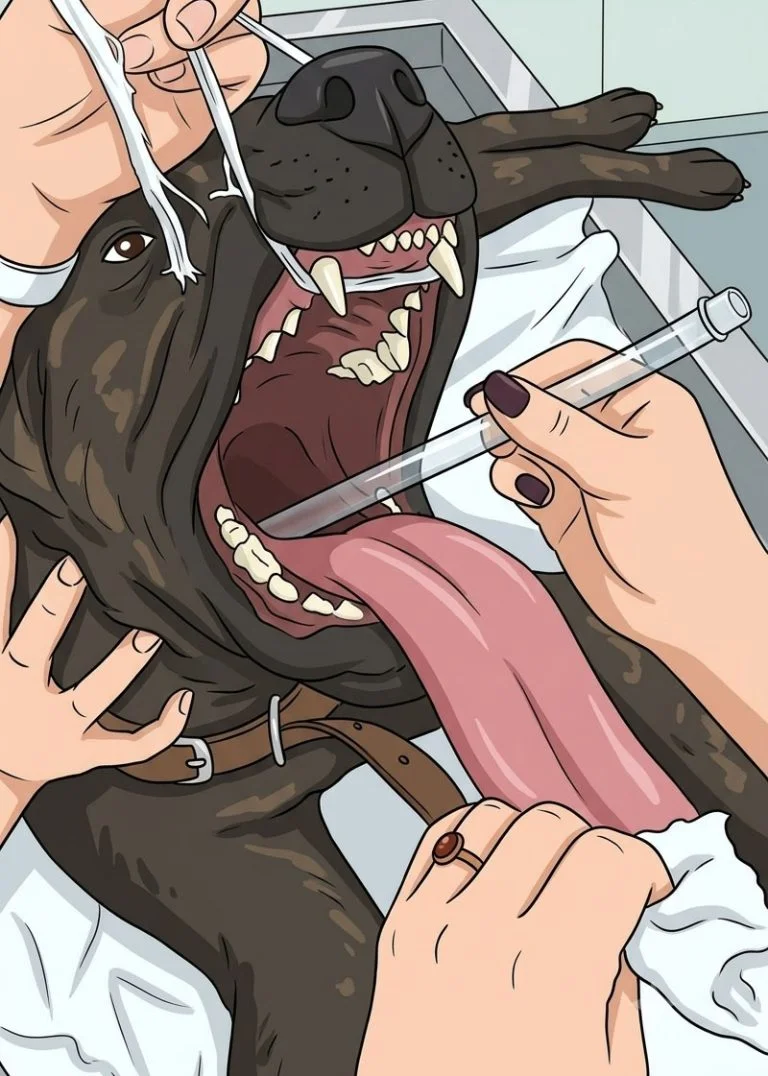
How to Intubate a Dog: A Step-by-Step Veterinary Guide

Canine intubation gives an anesthetized dog a patent airway, a route for oxygen and inhalant anesthetic, and a way to provide positive-pressure ventilation when needed. It can also reduce aspiration risk when the airway is no longer able to protect itself. It is not a procedure for an awake pet or an untrained owner. Intubation…

Abnormal Cervix Appearance: 7 Findings During a Pelvic Exam
|

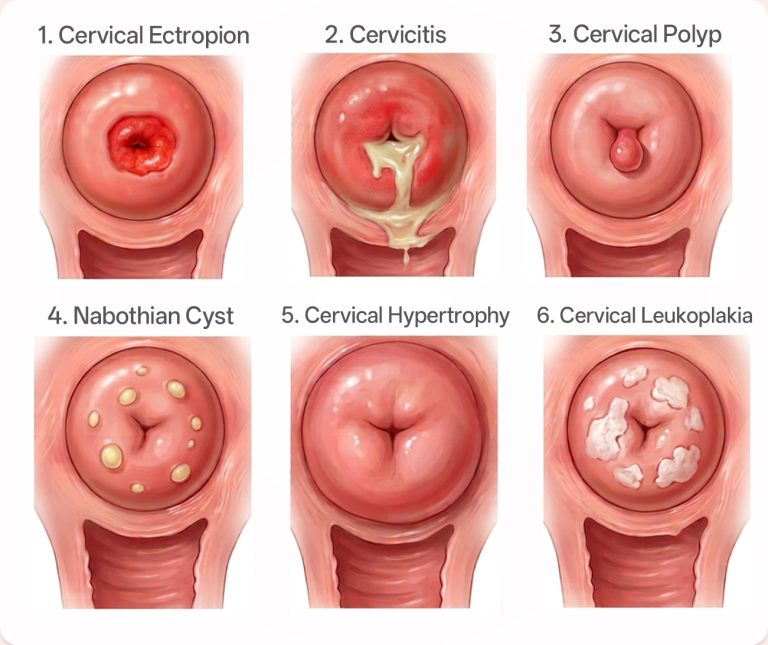
Abnormal Cervix Appearance: 7 Findings During a Pelvic Exam

During a pelvic exam, a clinician may notice that the cervix looks red, swollen, bumpy, enlarged, or different from expected. These changes can be worrying, but many have a benign cause. It also helps to separate two parts of the visit: A Pap test does not diagnose a visible lump, ulcer, or polyp. In the…

Foley Catheter Insertion: Male vs Female Steps
|

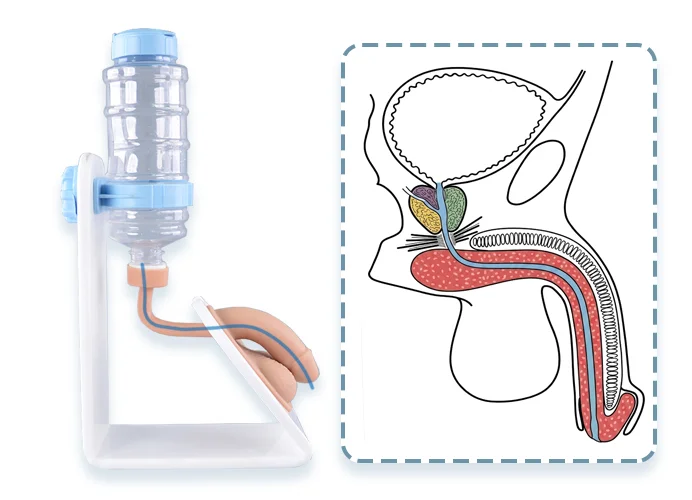
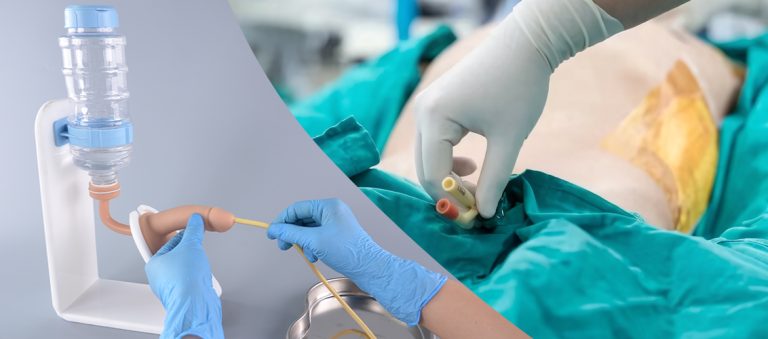
Foley Catheter Insertion: Male vs Female Steps

Foley catheter insertion drains the bladder through a tube that stays in place. A small balloon holds the catheter inside the bladder. The goal is the same for male and female patients, but the anatomy and common problems are different. Male insertion follows a longer urethra. Female insertion depends on seeing the urethral opening clearly…

Urinary Catheterization: Types, Indications, and Care
|

Urinary Catheterization: Types, Indications, and Care

Urinary catheterization helps drain or collect urine. It can relieve a full bladder, support certain procedures, or help a clinical team track urine output. It also has risks. A catheter can cause infection, pain, blockage, and urethral injury. These risks rise when the device is used without a clear reason or left in longer than…

|

Difficult Canine Jugular Venipuncture: Failed Draws, Complications, and Special Patients

A difficult dog blood draw is rarely solved by pushing the needle farther or trying more times. Poor jugular filling, unstable restraint, patient movement, excessive syringe suction, partial needle placement, and an unsuitable collection system can all produce the same frustrating result: no blood, interrupted flow, a damaged sample, or a growing hematoma. This guide…

|

Dog Jugular Vein Phlebotomy: Positioning, Landmarks, and Step-by-Step Technique

The external jugular vein is a useful blood-collection site in dogs because it is large, has brisk flow, and can provide an adequate diagnostic sample without using a peripheral vein that may later be needed for an IV catheter. Those advantages only apply when patient selection, restraint, vessel occlusion, needle control, and post-draw pressure are…

End of content

End of content